Mappe arboreeTree Maps

2015 – ongoing

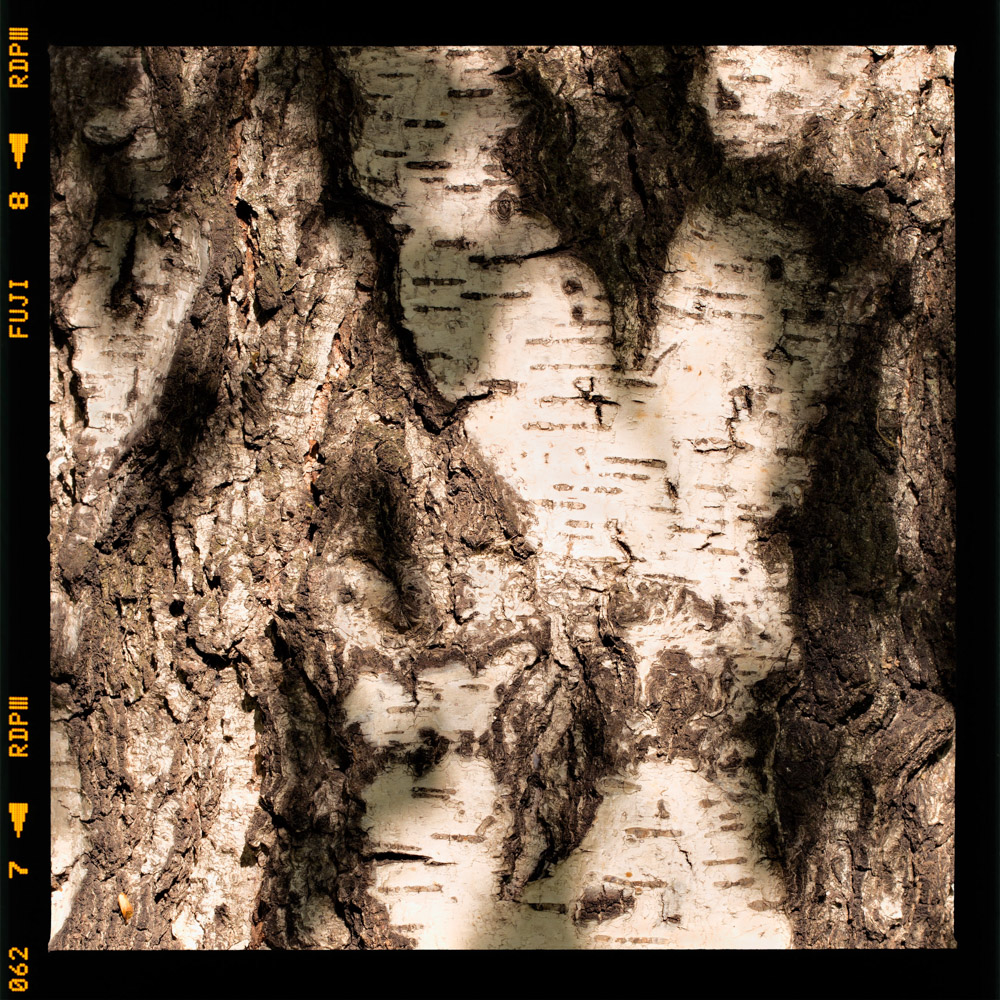
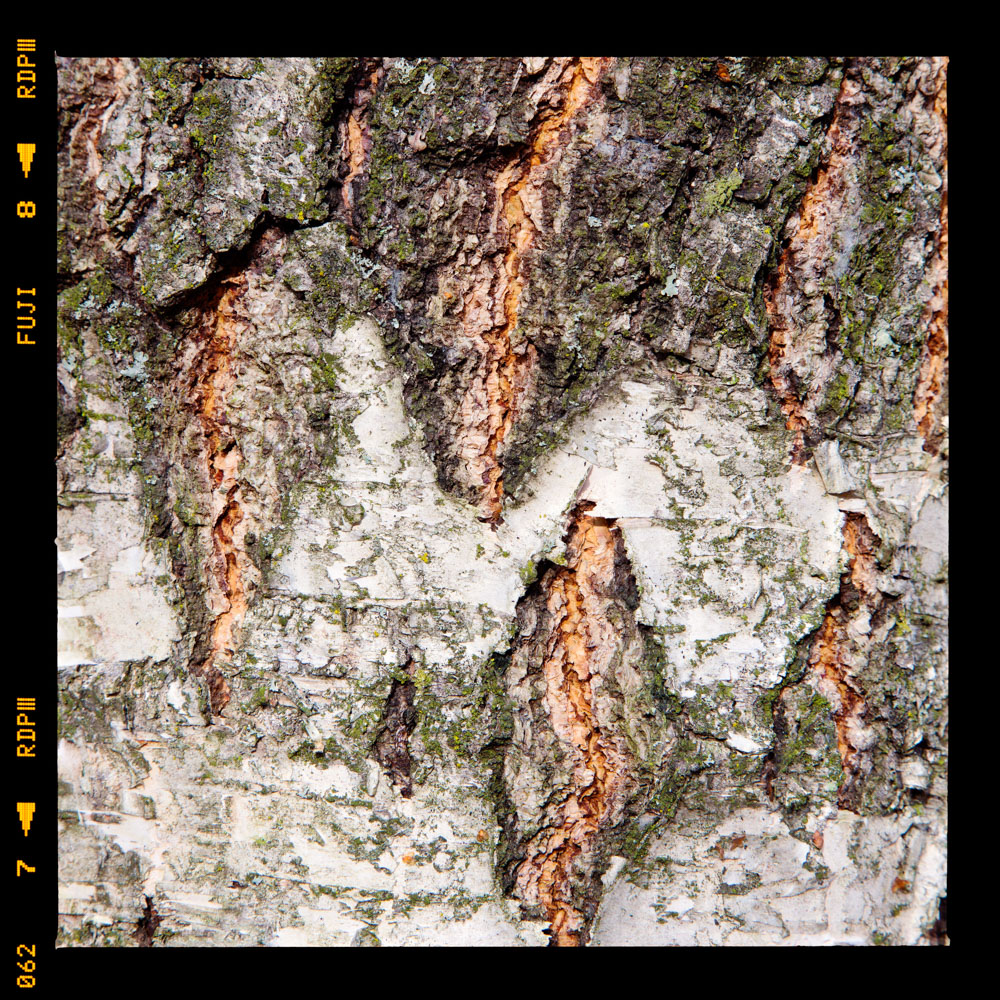
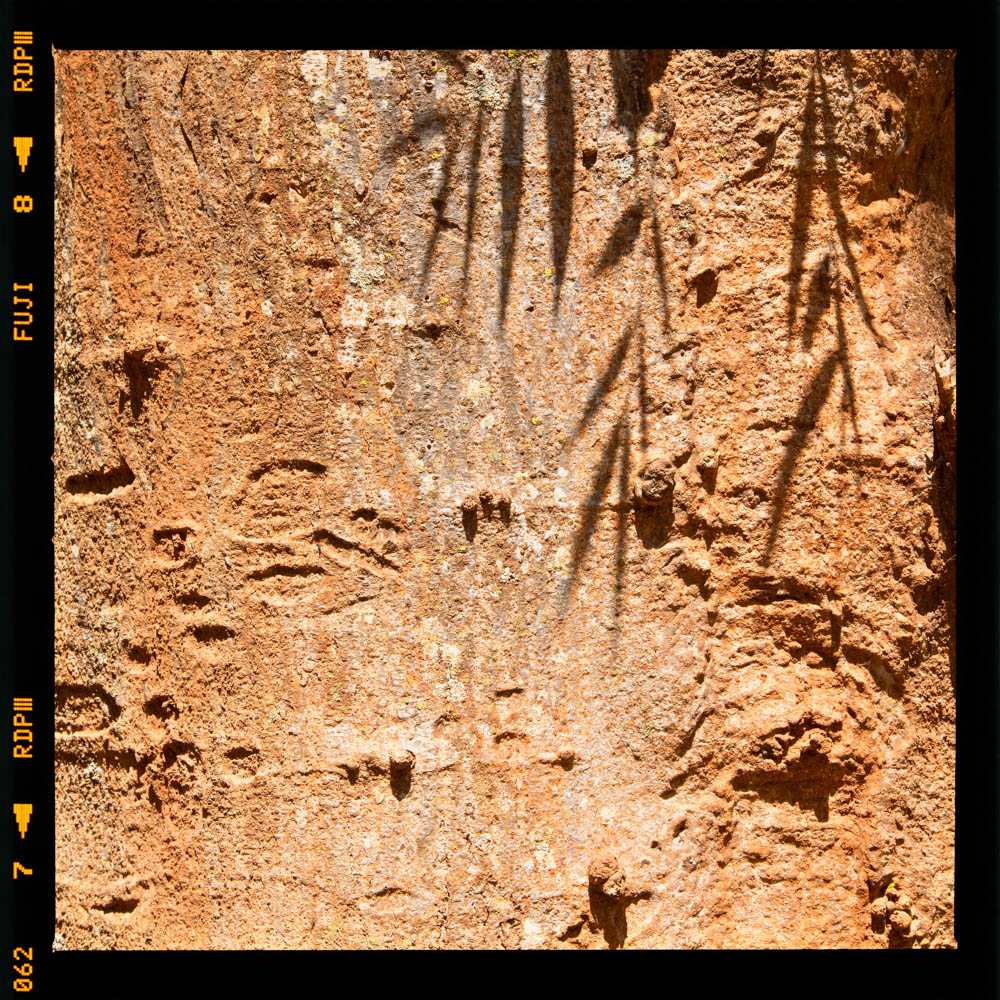
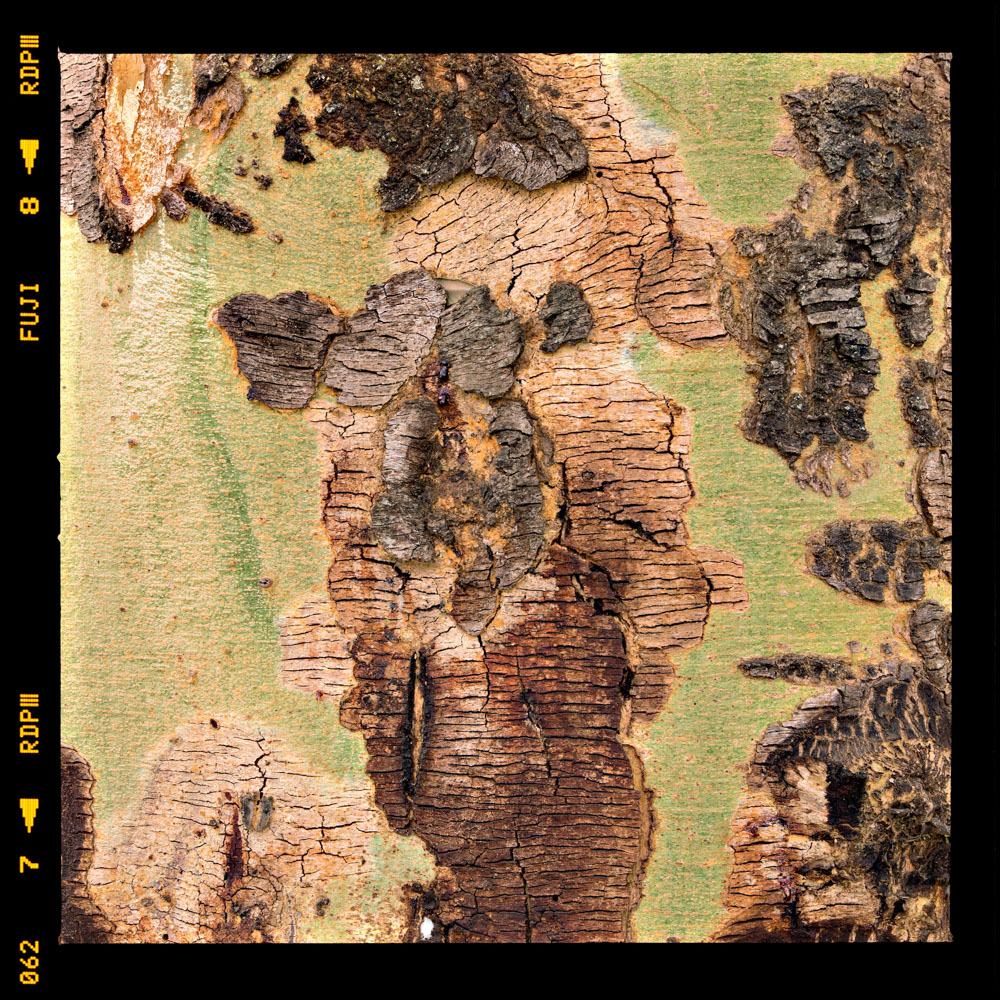
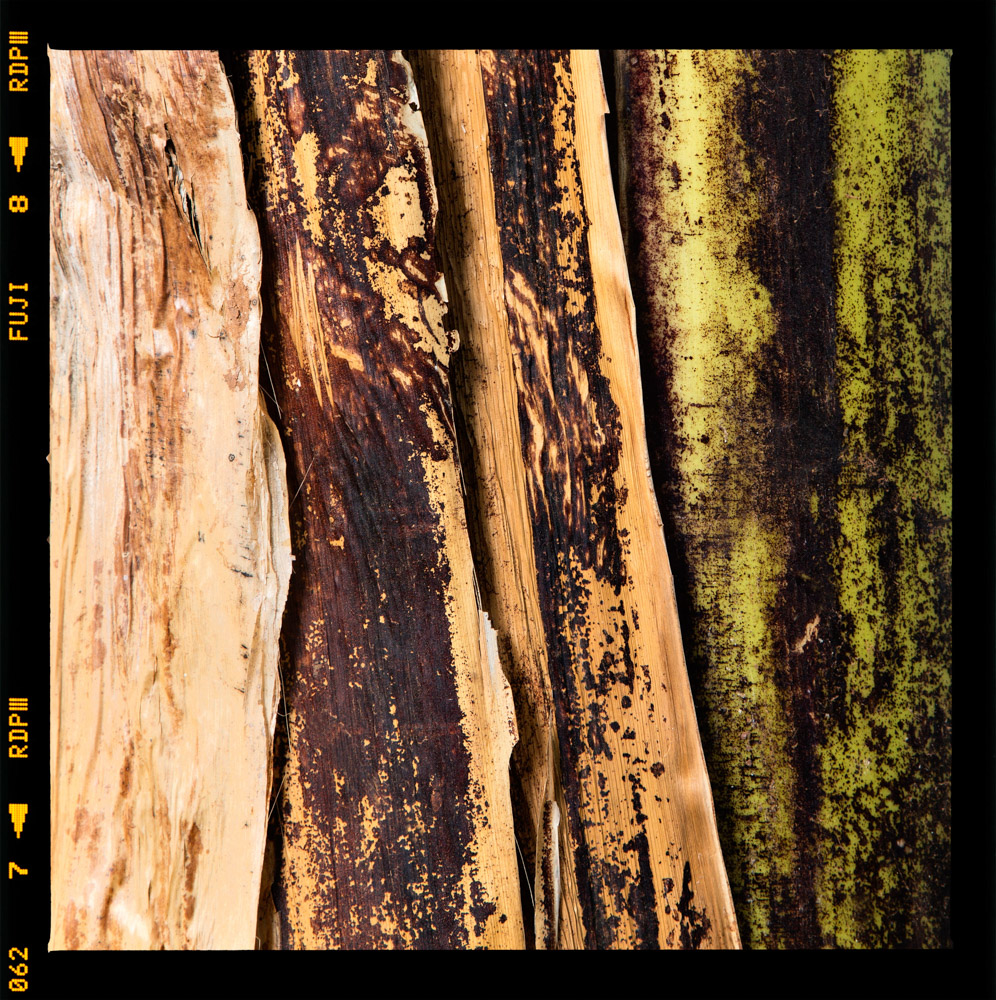
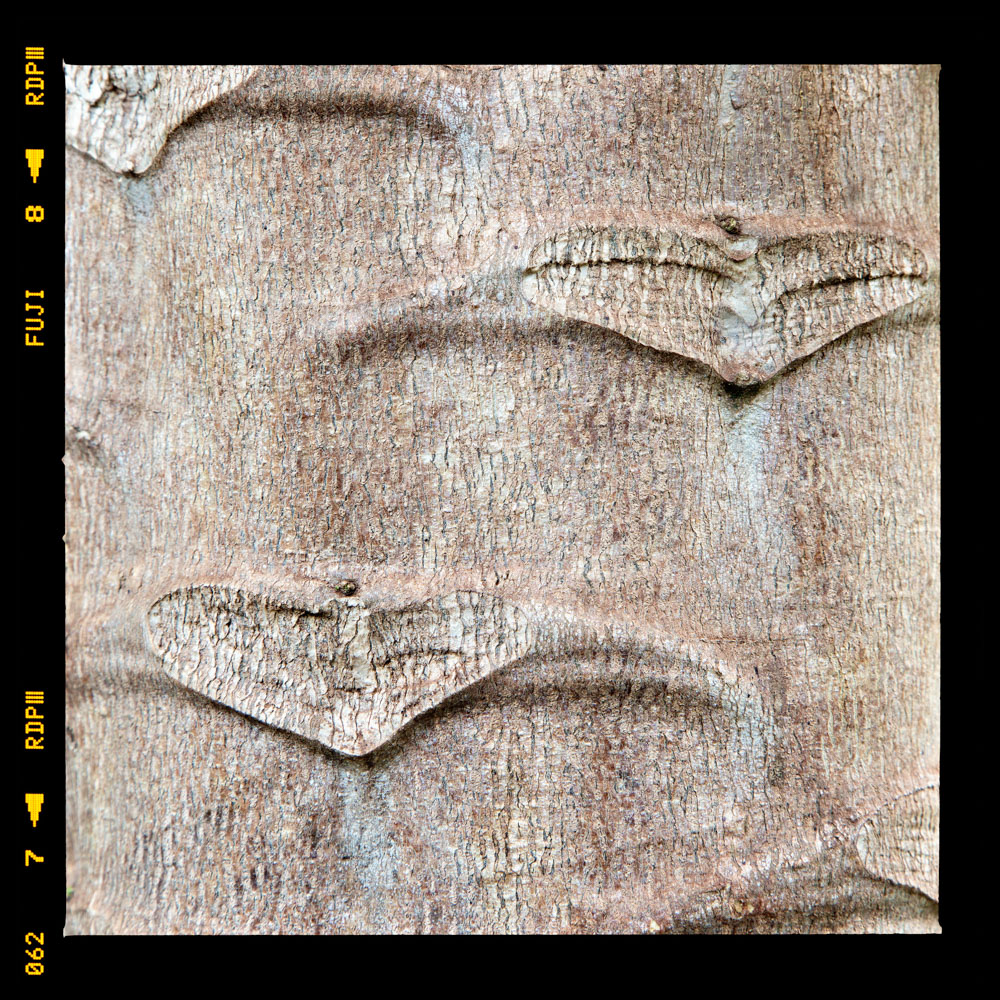
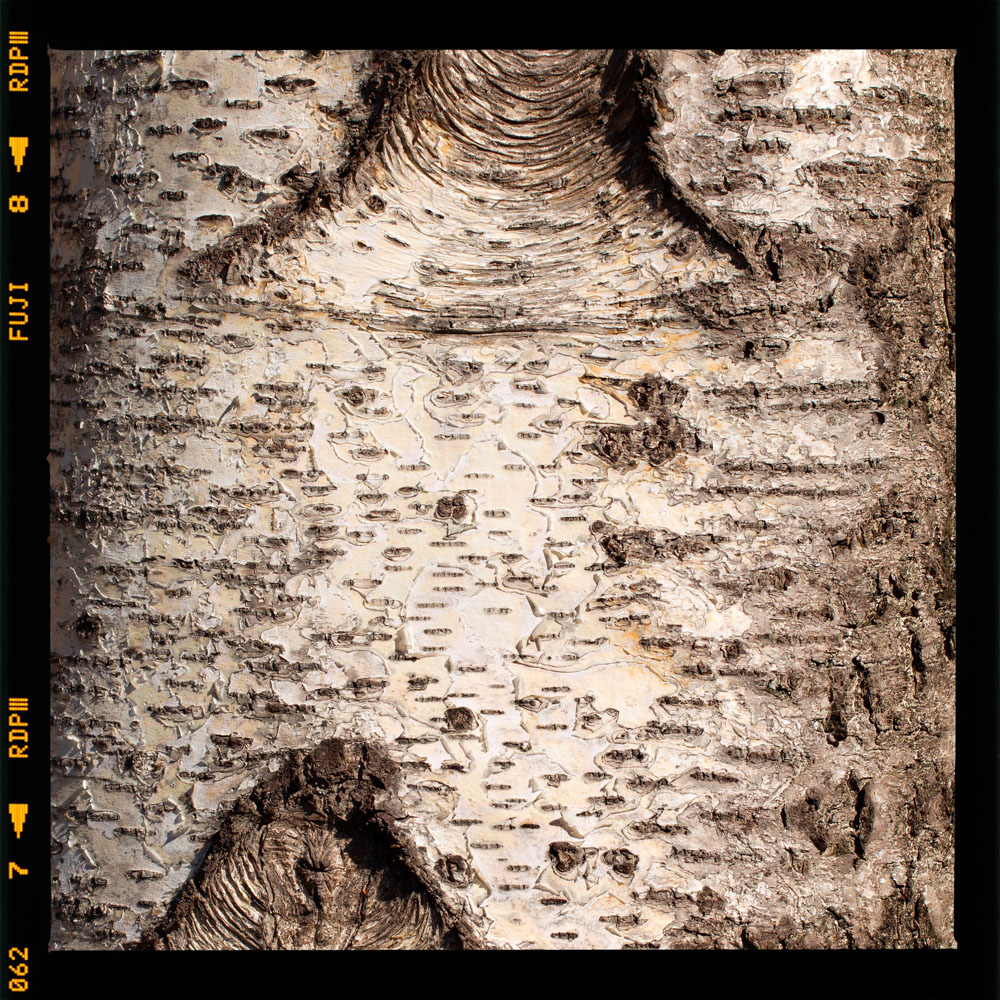
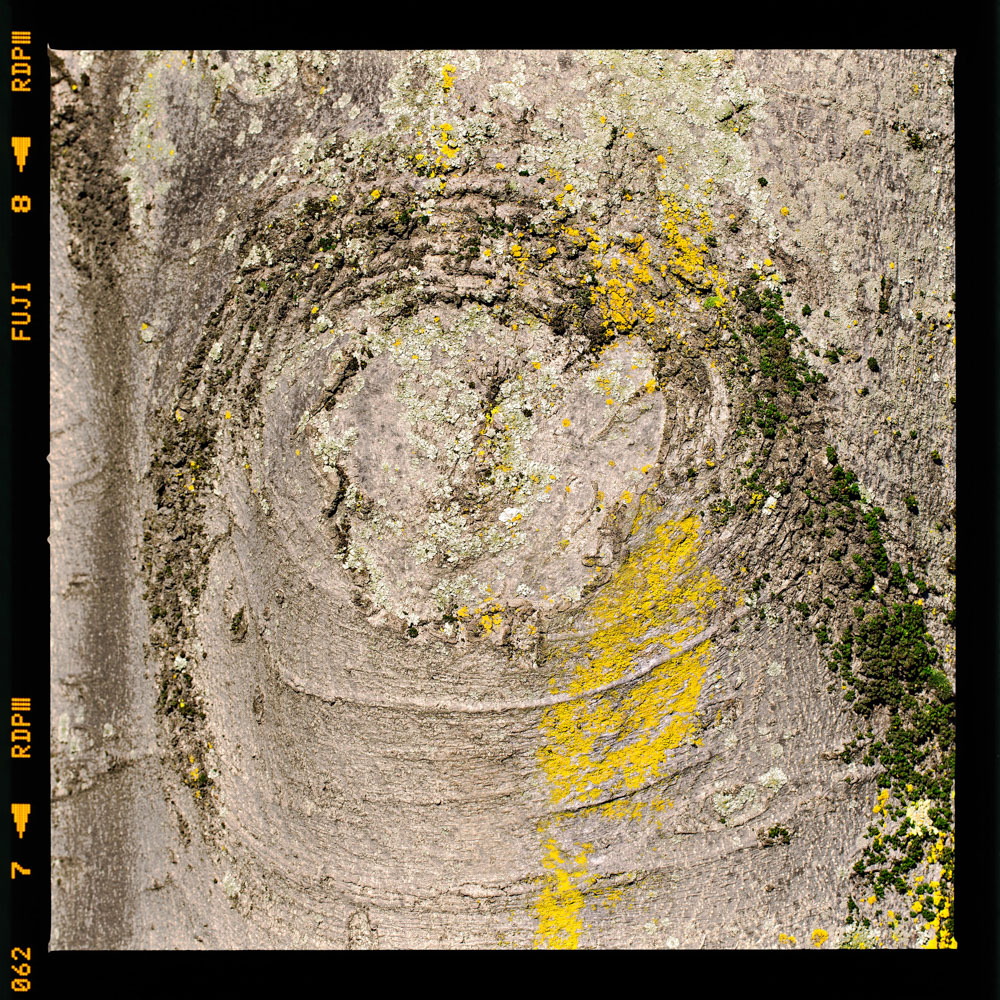
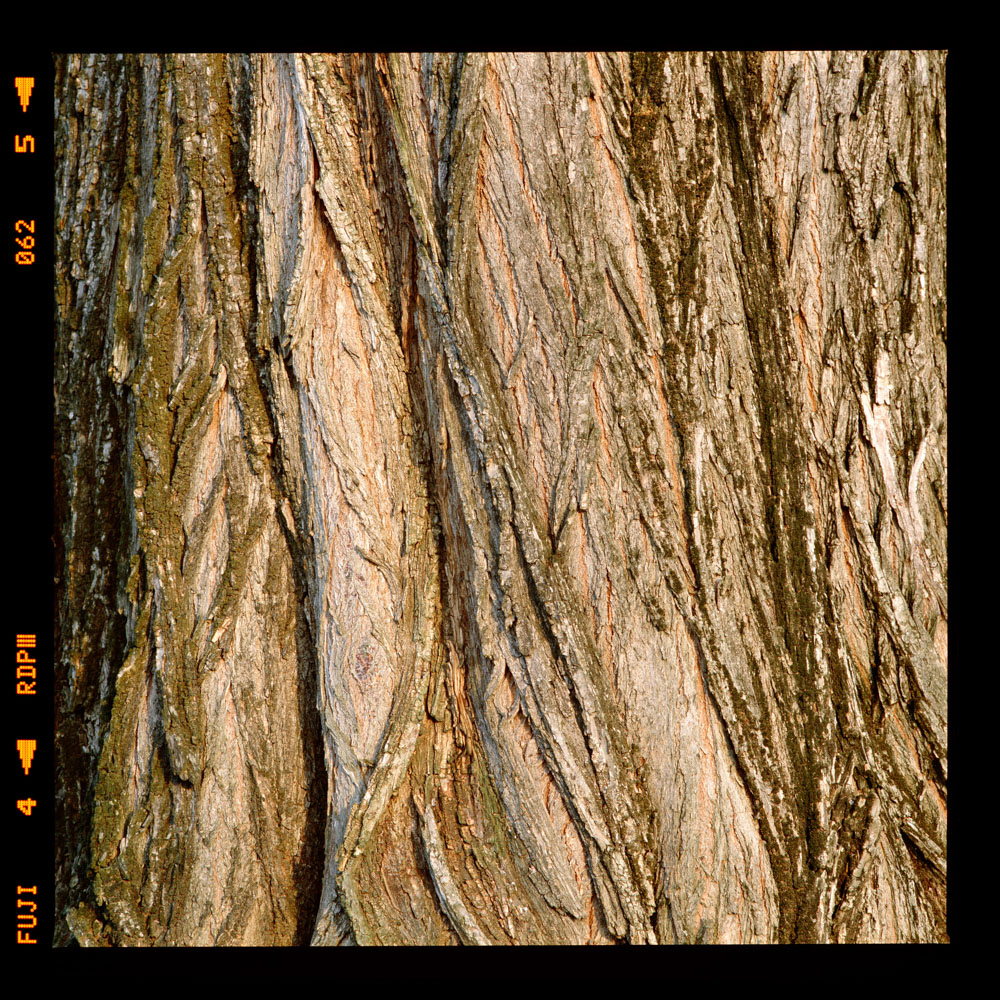
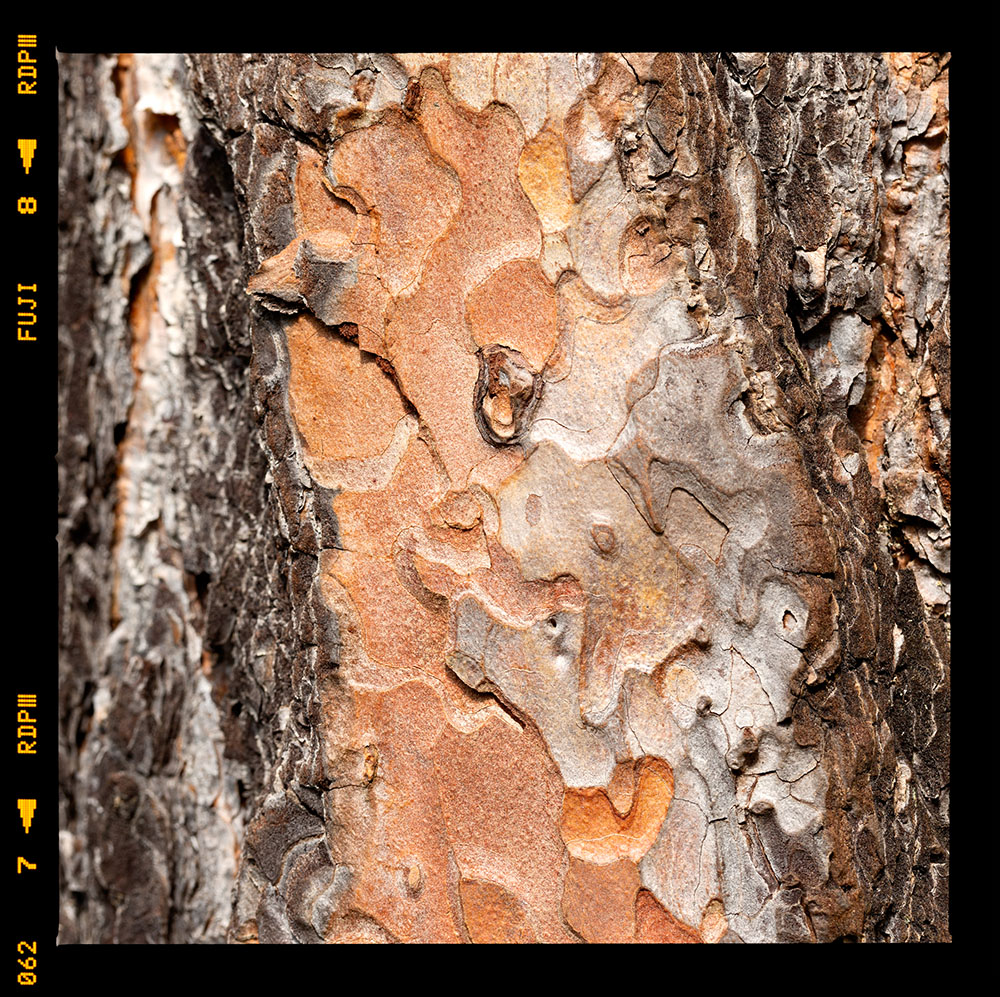
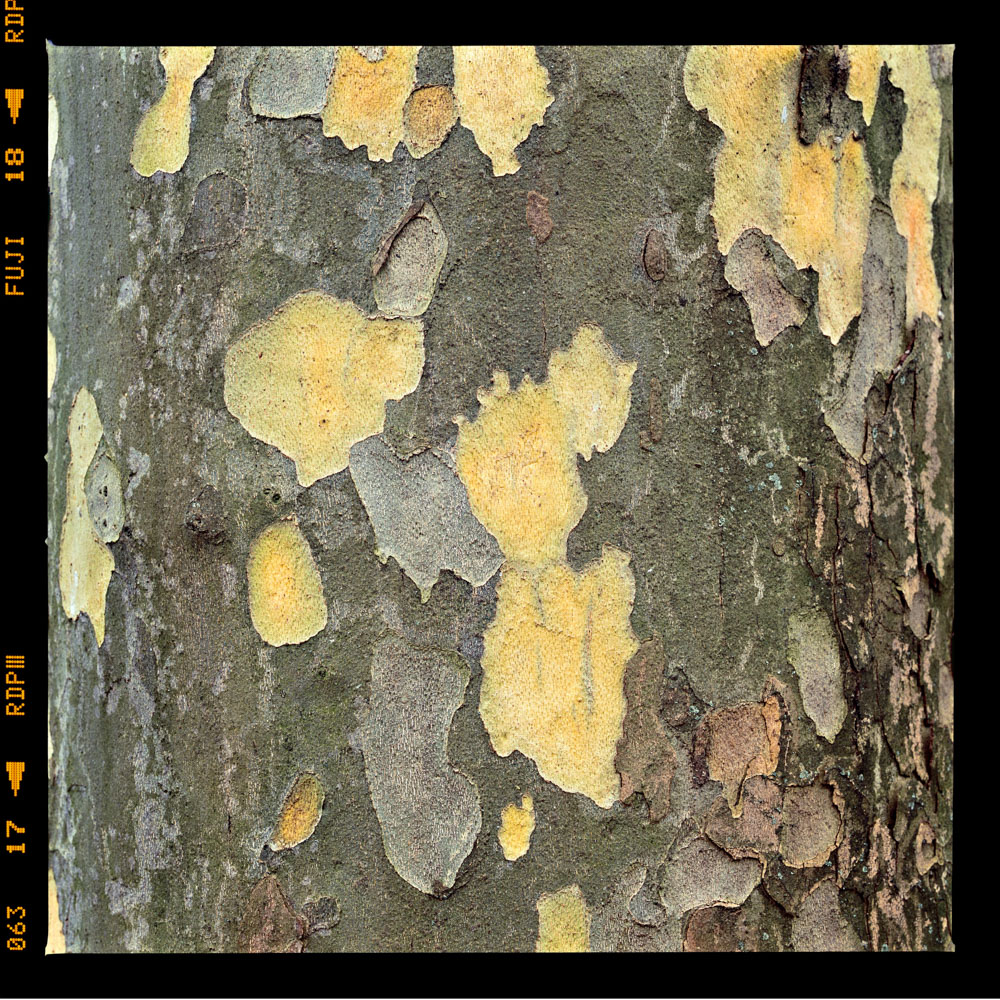
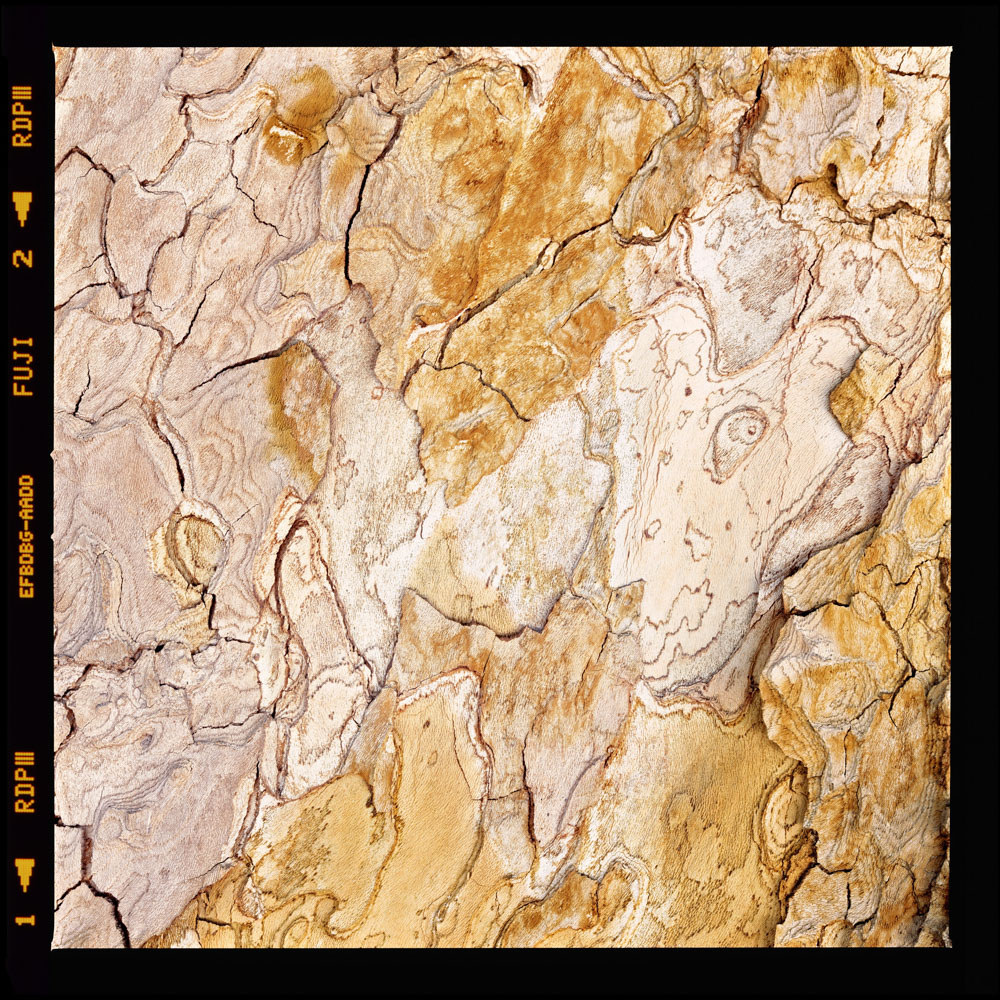
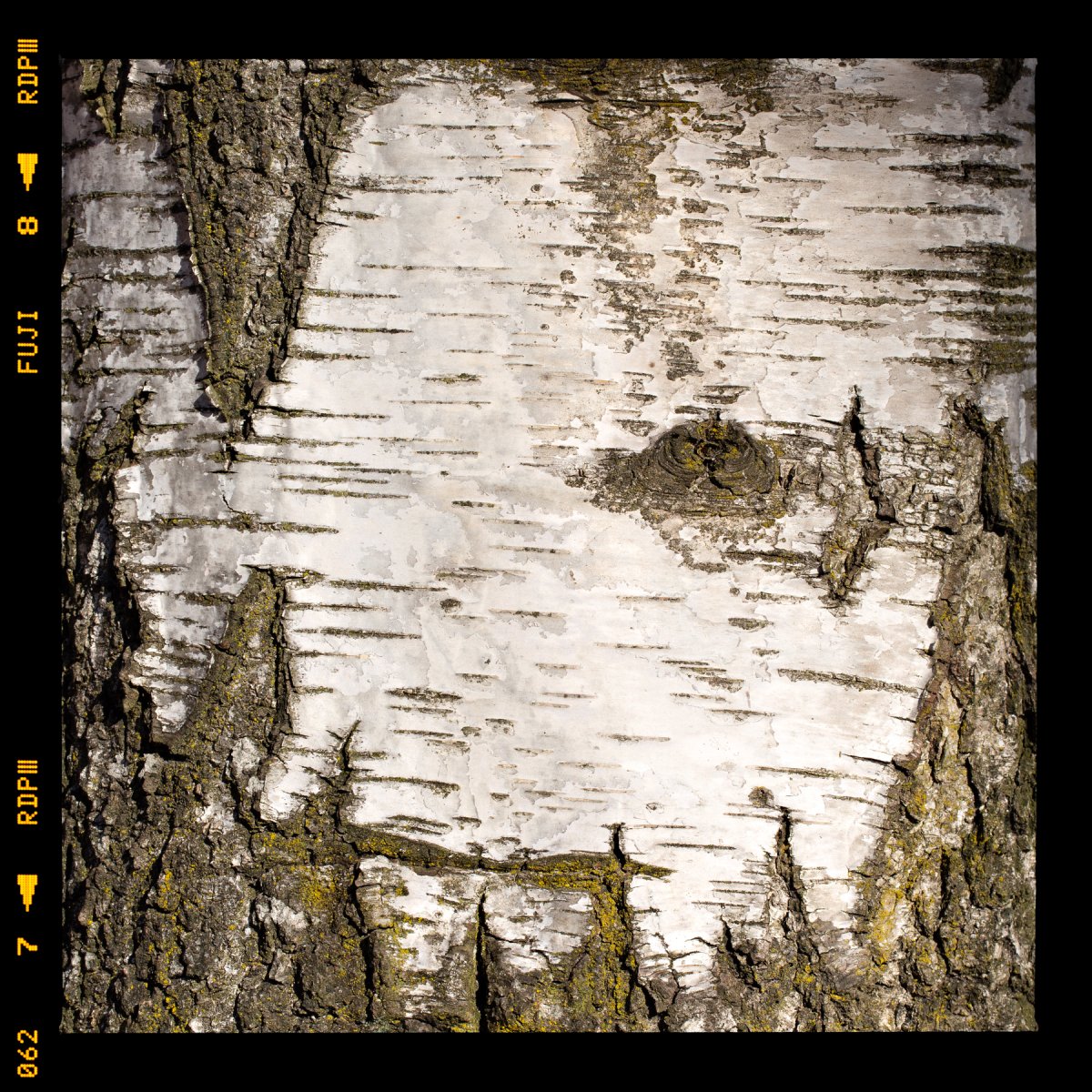
Seen close up, tree bark evokes maps of unknown territories. Forms, colours and traces of life invite reflection on memory and on the transformation of organisms that seem still, yet remain inseparable from the changing life around them.

Fine art prints on cotton paper, wooden frame and art glass. Edition of 8 + 3 artist’s proofs, in variable dimensions.

Cappella Fina – Valgrande (VB). 4 January 2019, 11:43
Cappella Fina – Valgrande (VB). 4 January 2019, 11:43 · from the series Mappe arboree / Tree Maps (2015 – ongoing)
Abruzzo, Lazio and Molise National Park, 4 January 2020, 13:00
Abruzzo, Lazio and Molise National Park, 4 January 2020, 13:00 · from the series Mappe arboree / Tree Maps (2015 – ongoing)
Milan, viale Papiniano 42, 16 April 2017 (Easter). 10:18
Milan, viale Papiniano 42, 16 April 2017 (Easter). 10:18 · from the series Mappe arboree / Tree Maps (2015 – ongoing)
Monte San Giacomo, Zocca, MO, 5 January 2017, 12:19
Monte San Giacomo, Zocca, MO, 5 January 2017, 12:19 · from the series Mappe arboree / Tree Maps (2015 – ongoing)
Contrada Annibale (S. Maria al Bagno LE). 11 August 2017. 09:01
Contrada Annibale (S. Maria al Bagno LE). 11 August 2017. 09:01 · from the series Mappe arboree / Tree Maps (2015 – ongoing)
Jomo Kenyatta University of Agriculture and Technology, Juja, Kenya. 11:21
Jomo Kenyatta University of Agriculture and Technology, Juja, Kenya. 11:21 · from the series Mappe arboree / Tree Maps (2015 – ongoing)
Jomo Kenyatta University of Agriculture and Technology, Juja, Kenya. 11:39
Jomo Kenyatta University of Agriculture and Technology, Juja, Kenya. 11:39 · from the series Mappe arboree / Tree Maps (2015 – ongoing)
Senza titolo / Untitled. Jomo Kenyatta University of Agriculture and Technology, Juja, Kenya, 1 February 2017, 12:04
Senza titolo / Untitled. Jomo Kenyatta University of Agriculture and Technology, Juja, Kenya, 1 February 2017, 12:04 · from the series Mappe arboree / Tree Maps (2015 – ongoing)
Muirigo, Chania, Gatundu North (Kiambu district), Kenya. 18:29
Muirigo, Chania, Gatundu North (Kiambu district), Kenya. 18:29 · from the series Mappe arboree / Tree Maps (2015 – ongoing)
Muirigo, Chania, Gatundu North (Kiambu district), Kenya. 18:33
Muirigo, Chania, Gatundu North (Kiambu district), Kenya. 18:33 · from the series Mappe arboree / Tree Maps (2015 – ongoing)
Milan, via Tortona, 86. 2 April 2018, 09:32
Milan, via Tortona, 86. 2 April 2018, 09:32 · from the series Mappe arboree / Tree Maps (2015 – ongoing)
Milan, viale Troya. 2 April 2018, 08:43
Milan, viale Troya. 2 April 2018, 08:43 · from the series Mappe arboree / Tree Maps (2015 – ongoing)
Centenarian elm at Fossoli, garden of the B&B La Francesa. 21 March 2016, 17:15 approximately
Centenarian elm at Fossoli, garden of the B&B La Francesa. 21 March 2016, 17:15 approximately · from the series Mappe arboree / Tree Maps (2015 – ongoing)
Piancavallo, Verbania, 30 December 2016, 13:23
Piancavallo, Verbania, 30 December 2016, 13:23 · from the series Mappe arboree / Tree Maps (2015 – ongoing)
Lake Leluch. Pedraces (BZ), 19 August 2021, 13:43
Lake Leluch. Pedraces (BZ), 19 August 2021, 13:43 · from the series Mappe arboree / Tree Maps (2015 – ongoing)
Morimondo, 19 December 2015. 11:40 approximately
Morimondo, 19 December 2015. 11:40 approximately · from the series Mappe arboree / Tree Maps (2015 – ongoing)
Guastalla Gardens, Milan. 6 July 2019, around 11:00
Guastalla Gardens, Milan. 6 July 2019, around 11:00 · from the series Mappe arboree / Tree Maps (2015 – ongoing)

Texts

Back to Selected Works

Photograph

Tree Maps

Introduction · English

The series is a private reflection on trees, living and dynamic organisms that need to be known and respected: "I like to observe them, to contemplate them. I am fascinated by the shapes and colors visible on their bark: sometimes they make me think of ancient maps of mysterious and fantastic territories. The stillness of trees is only apparent, as is that of their bark. The tree represents life in constant evolution, and our own lives depend on their survival," says Alessandro Vicario. The series Tree Maps - real fantastical "territories" and utopian "cities" inhabited by different forms of animal and plant life, most of them very small in size but equally important for the balance of biodiversity and the ecosystem itself - began in the summer of 2015 when Vicario photographed the bark of the centuries-old plane tree that stands in the Guastalla garden in Milan and that, as the artist himself recalls, "once stood inside the small garden of the elementary school I attended on Via Francesco Sforza, the first school with a Steiner pedagogical orientation in Italy. Under the reassuring and protective shade of that plane tree I used to play together with my classmates. That tree saw us grow." The decision to keep on all the images, even the digital ones, the black border of the slide of the first shot - a distinctive sign of the analogue photograph taken in 2015 with the old Hasselblad 500 CM lent to him by his father to immortalize the plane tree in the Guastalla garden - was taken by Alessandro Vicario to respect the aesthetic coherence of the series and project it at the same time into an alienating dimension due to the continuous repetition of the same identifying numbers of the frames (7 and 8) of that first shot at Guastalla.

Mappe arboree

di Alessandro Vicario

Introduction · Italiano

 Nell'estate 2015 ho fotografato la corteccia del platano secolare che si erge maestoso nel giardino della Guastalla, a Milano. Tanti anni fa quell'albero possente si trovava all'interno del giardinetto della scuola elementare che frequentavo: la prima Scuola Steineriana di Milano, in via Francesco Sforza. Sotto l'ombra rassicurante e protettiva del platano giocavo durante le lunghe e spensierate ricreazioni scolastiche, assieme ai miei compagni di classe. Quell'albero ci ha visto crescere. Così ha avuto origine la serie Mappe arboree.   L’avevo scattata in pellicola, quella prima fotografia. Con la vecchia Hasselblad 500 CM prestatami da mio padre. Non avevo neppure intenzione di produrre una serie. Mi interessava solamente quel platano. L’idea della serie sarebbe venuta in seguito. Inizialmente, ho continuato con il procedimento analogico, per poi proseguire il lavoro in modalità mista: alcune riprese in modalità analogica e altre con la tecnologia digitale. Fin dal principio avevo scelto di mantenere il bordo nero della diapositiva, che è un segno distintivo del fotogramma analogico (e della prima fotografia della serie Mappe arboree). Per rispettare la coerenza estetica della serie (e soprattutto per conservare traccia della sua origine) ho scelto di riprodurre il bordo della prima fotografia su tutte le immagini, anche su quelle digitali. È per questo che i numeri dei fotogrammi si ripetono sempre identici (7 e 8) nella maggior parte delle fotografie.   Sebbene ci sembrino immobili, gli alberi sono organismi vivi e dinamici. La loro immobilità è apparente. Dai tempi più remoti, e a tutte le latitudini, il genere umano attribuisce agli alberi profondi significati simbolici (spirituali, sacri e religiosi). L'albero è simbolo della continua e inarrestabile trasformazione della vita e della sua ciclicità, tra morte e rinascita.   L'albero mette in comunicazione i tre livelli del cosmo: il sottosuolo, dove affondano le radici; la superficie della Terra, dalla quale si erge il tronco; il cielo, verso il quale si protendono i rami e la cima, attirati dalla luce del Sole. La struttura stessa dell'albero evoca l'ascensione verso il cielo (e la tensione alla trascendenza). L'albero riunisce in sé tutti gli elementi: l'acqua, che circola con la linfa; la terra, che si integra nel suo corpo attraverso le radici; l'aria, che nutre le sue foglie; il fuoco, che il legno può alimentare.   Mi piace osservare gli alberi. Contemplarli. Mi affascinano le forme e i colori visibili sulle loro cortecce: mi fanno pensare ad antiche mappe (di territori misteriosi e fantastici).

Milano, marzo 2023

Tree Maps

by Alessandro Vicario

In the summer of 2015, I photographed the bark of the centuries-old plane tree that stands majestically in the Guastalla garden in Milan. Many years ago, that mighty tree stood within the little garden of the primary school I attended: Milan’s first Steiner school, in Via Francesco Sforza. Beneath the plane tree’s reassuring, protective shade, I played with my classmates during our long, carefree school breaks. That tree watched us grow. This was how the Tree Maps series began.

I had taken that first photograph on film, with the old Hasselblad 500 CM my father had lent me. I had not even intended to make a series. I was interested only in that plane tree. The idea for the series came later. At first, I continued working with film, before adopting a combination of methods: some photographs were taken on film and others using digital technology. From the outset, I had chosen to retain the slide’s black border, a distinctive feature of the analogue frame and of the first photograph in the Tree Maps series. To preserve the series’ aesthetic coherence—and, above all, a trace of its origins—I decided to reproduce the border of that first photograph on all the images, including the digital ones. This is why the same frame numbers, 7 and 8, recur in most of the photographs.

Although they seem motionless to us, trees are living, dynamic organisms. Their stillness is only apparent. From the earliest times, and at every latitude, humanity has endowed trees with profound symbolic meanings: spiritual, sacred and religious. The tree symbolises life’s continuous, unstoppable transformation and its cycle of death and rebirth.

The tree connects the three levels of the cosmos: the ground below, into which its roots descend; the Earth’s surface, from which its trunk rises; and the sky, towards which its branches and crown reach, drawn by the light of the Sun. The very structure of the tree evokes an ascent towards the sky and a striving for transcendence. Within itself, the tree brings together all the elements: water, circulating in its sap; earth, becoming part of its body through the roots; air, nourishing its leaves; and fire, which its wood can feed.

I like to observe trees. To contemplate them. I am fascinated by the shapes and colours visible on their bark: they make me think of ancient maps of mysterious, fantastical territories.

Milan, March 2023
Search