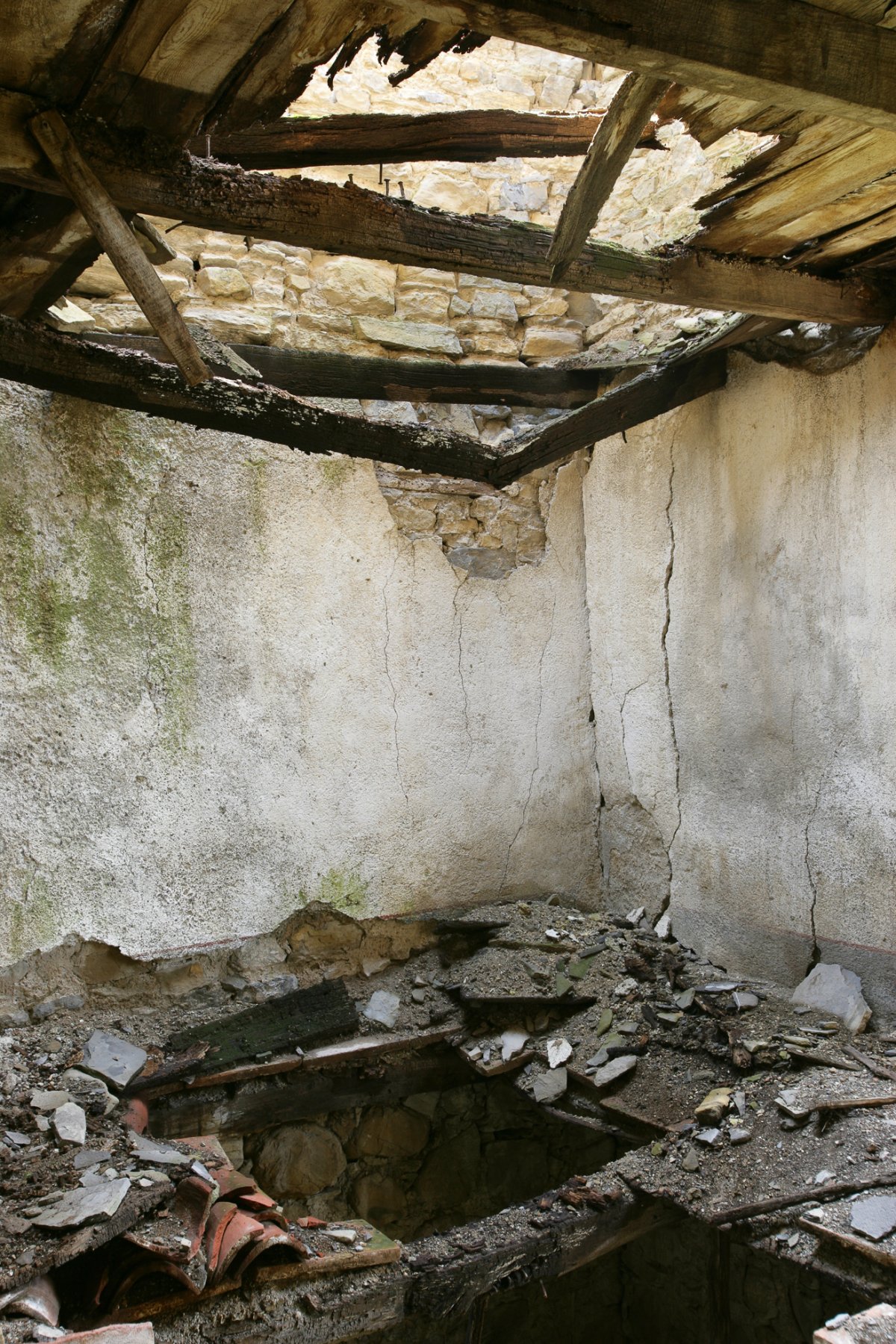
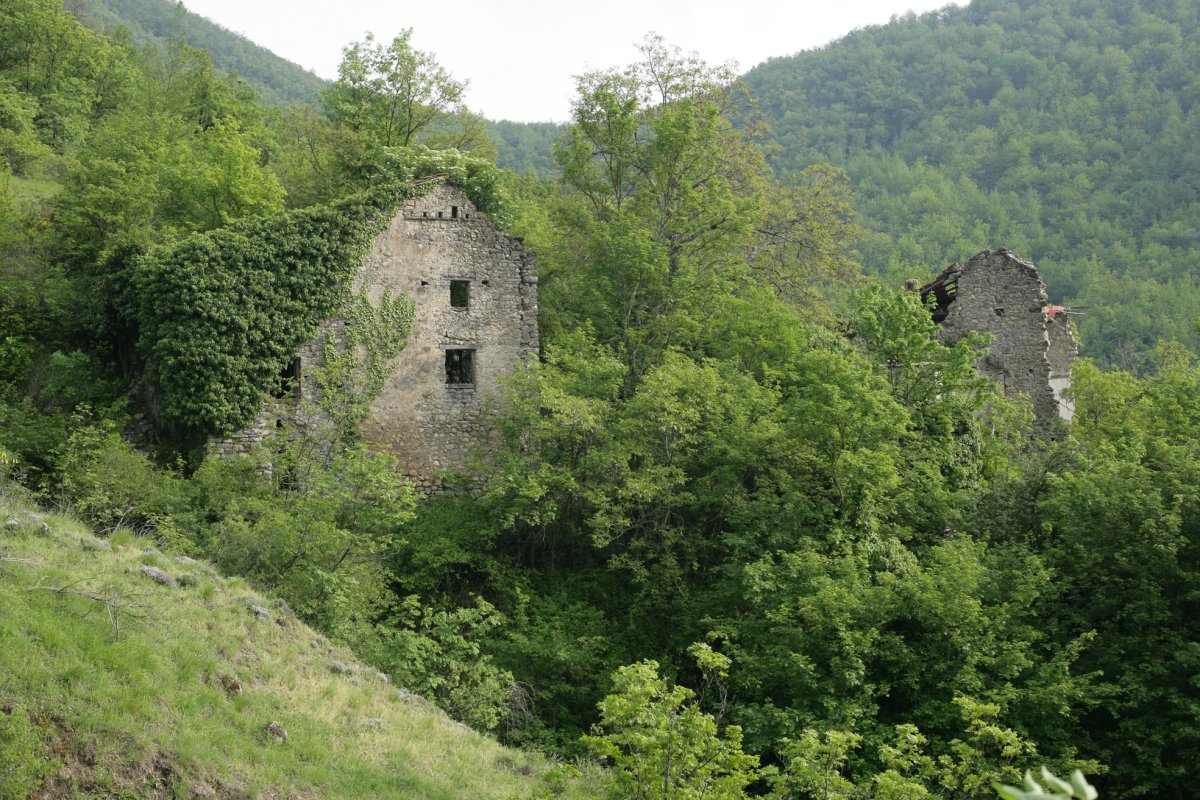
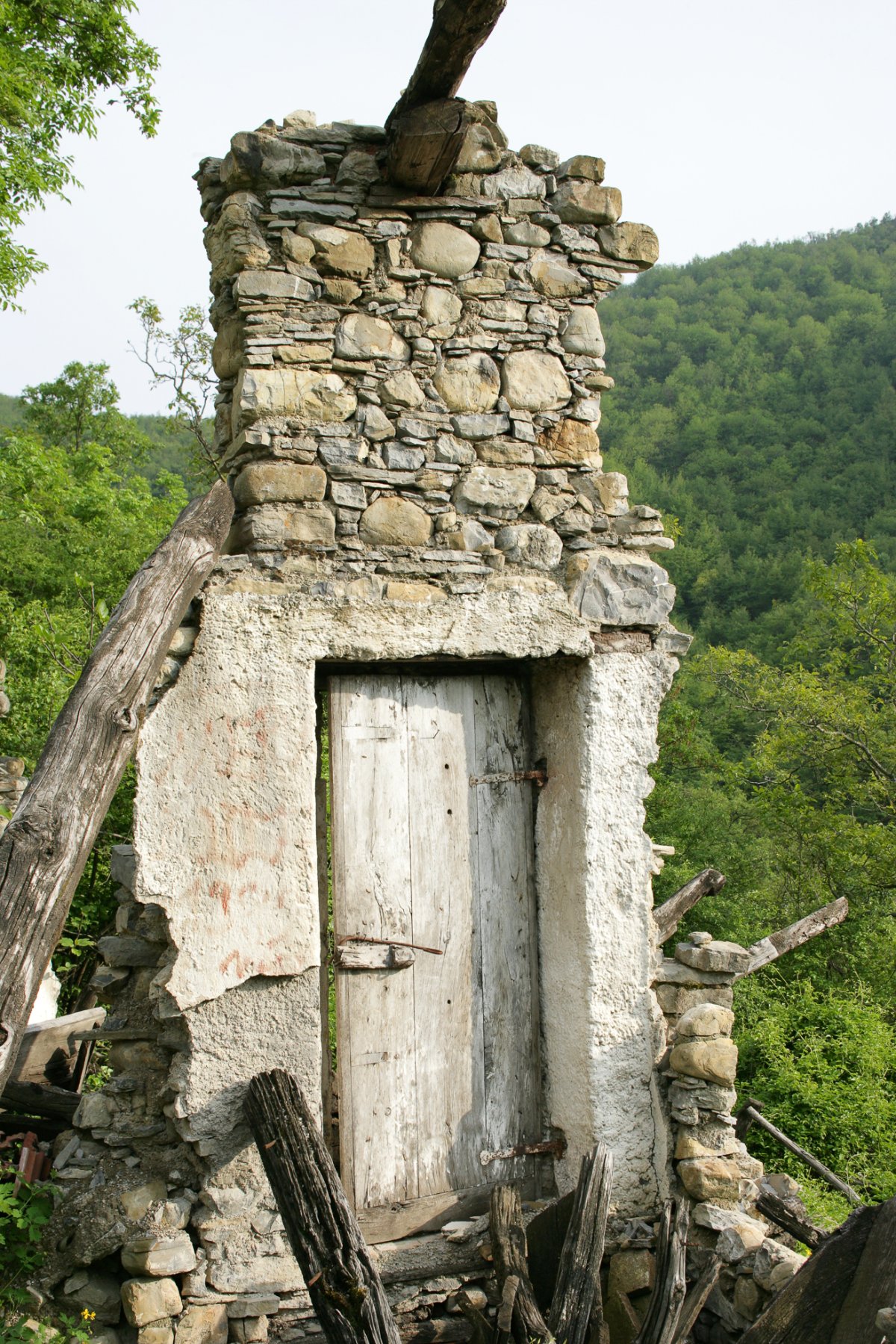
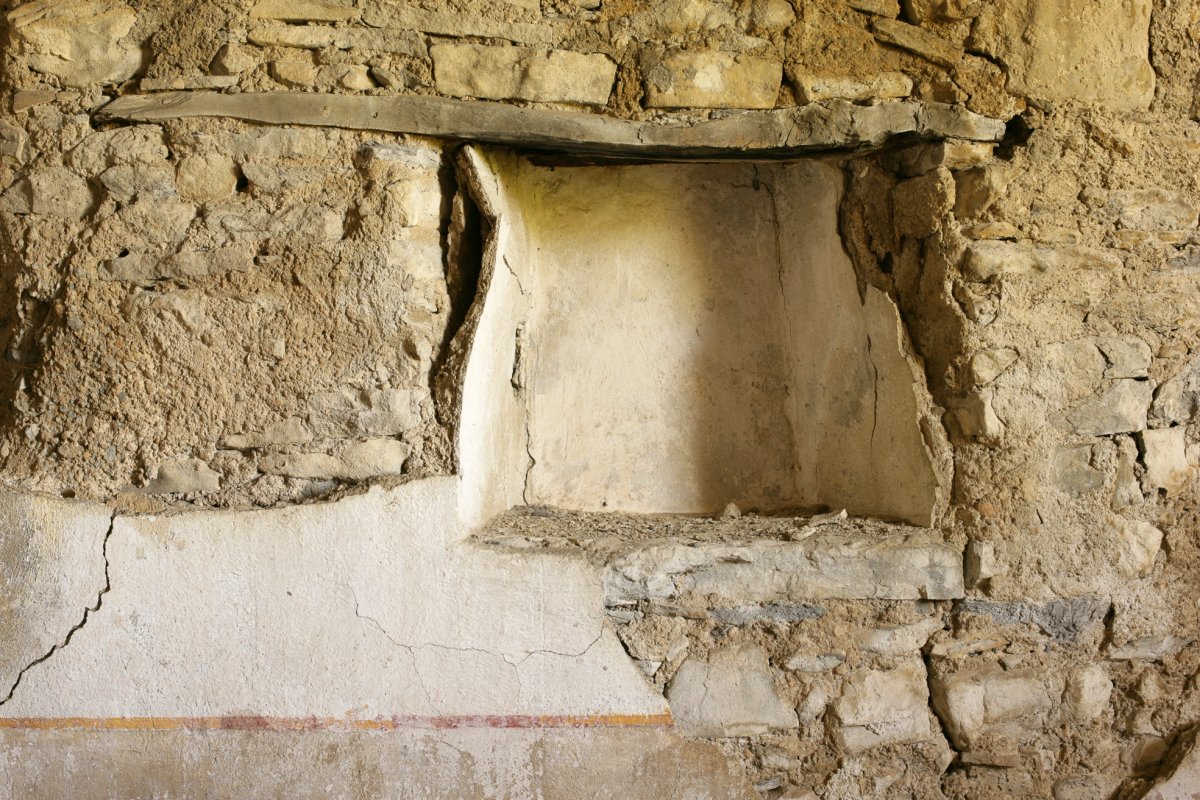
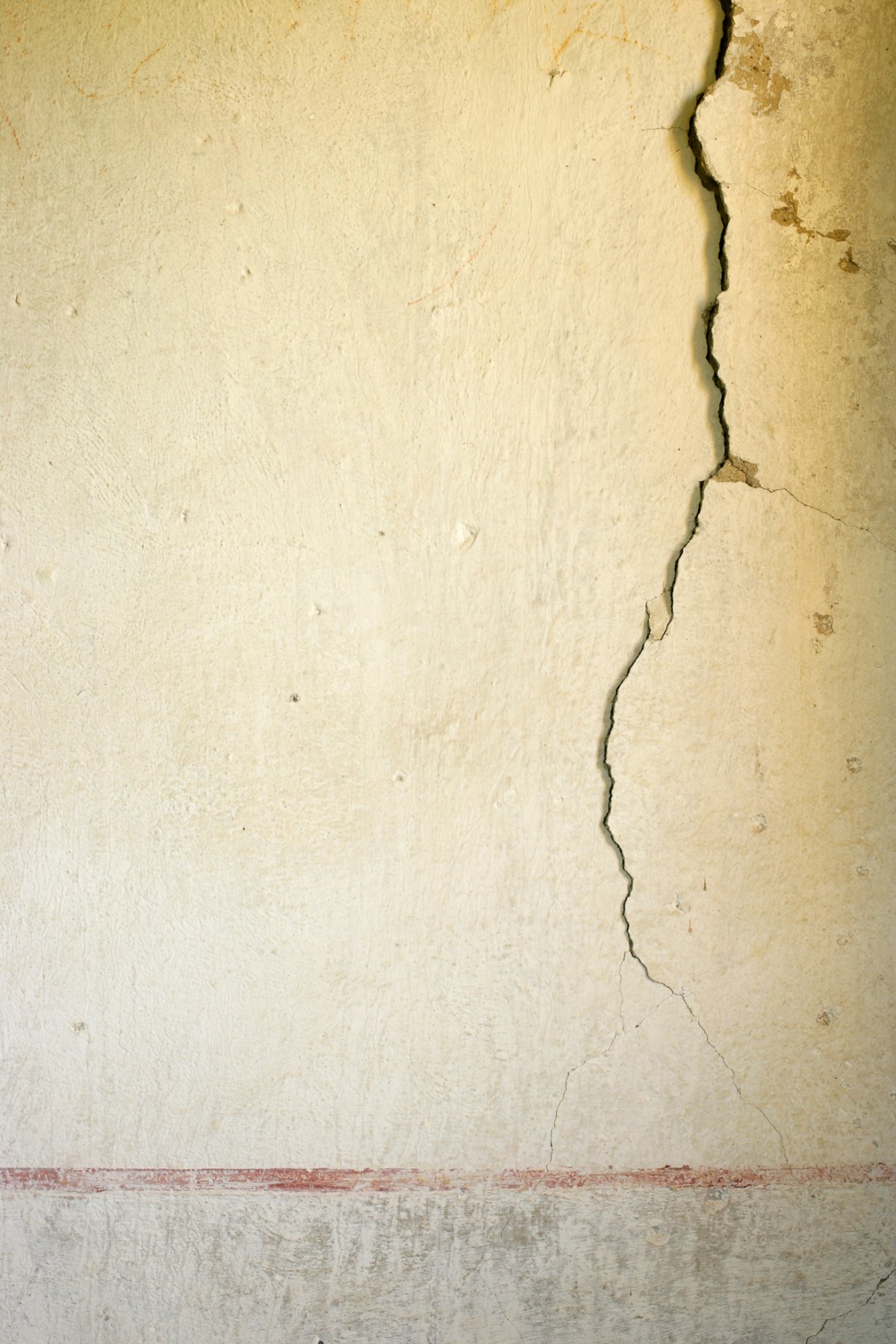
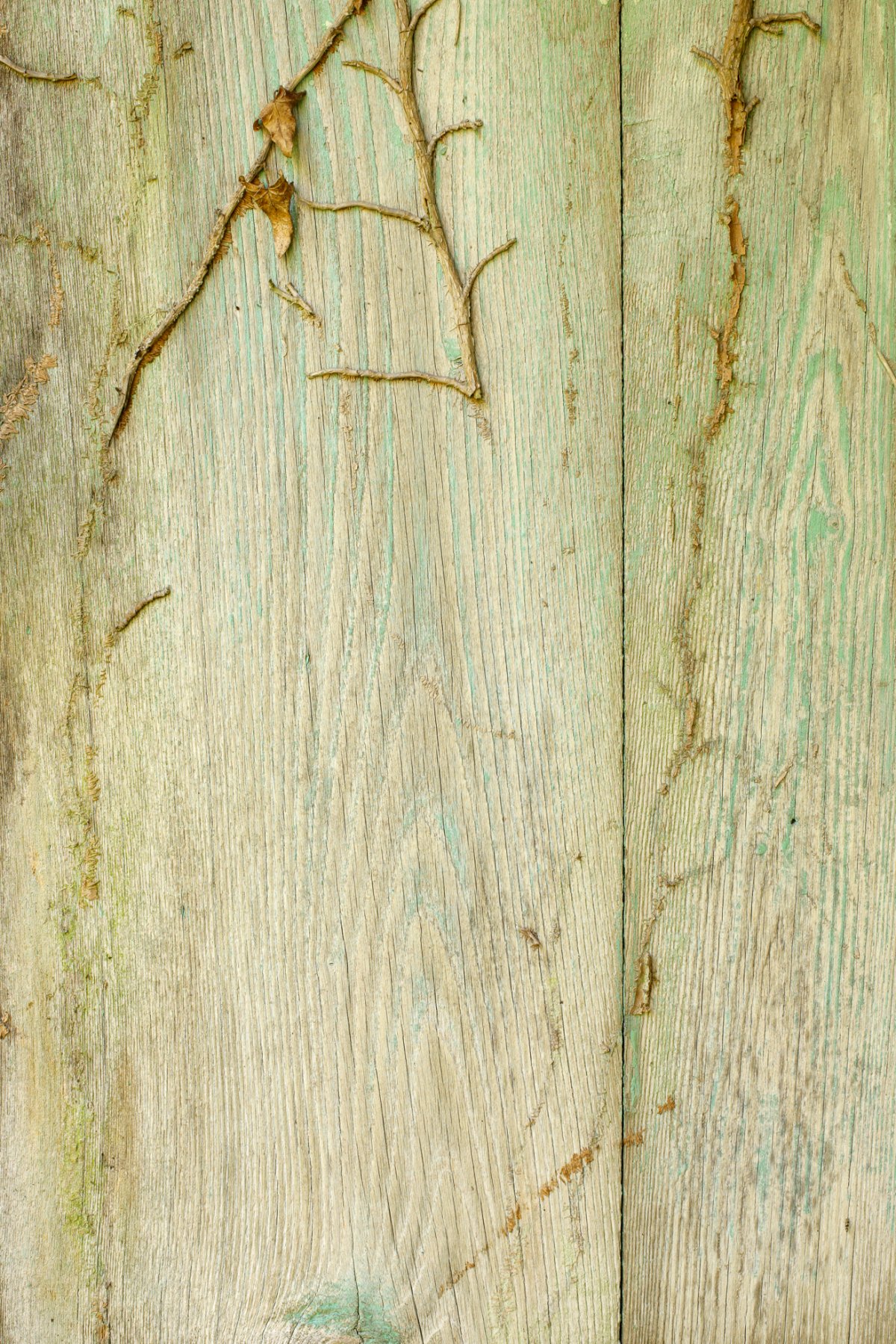
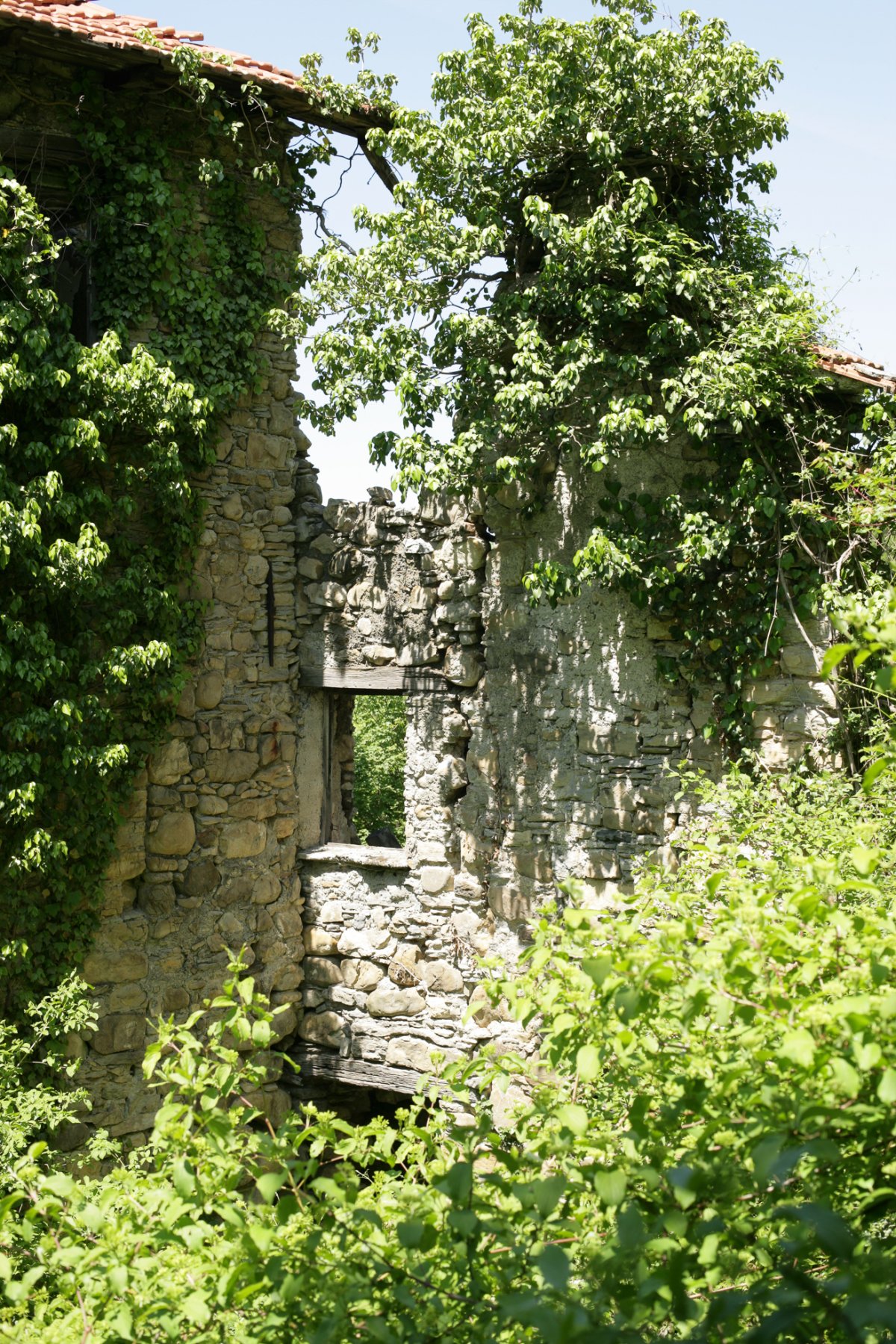
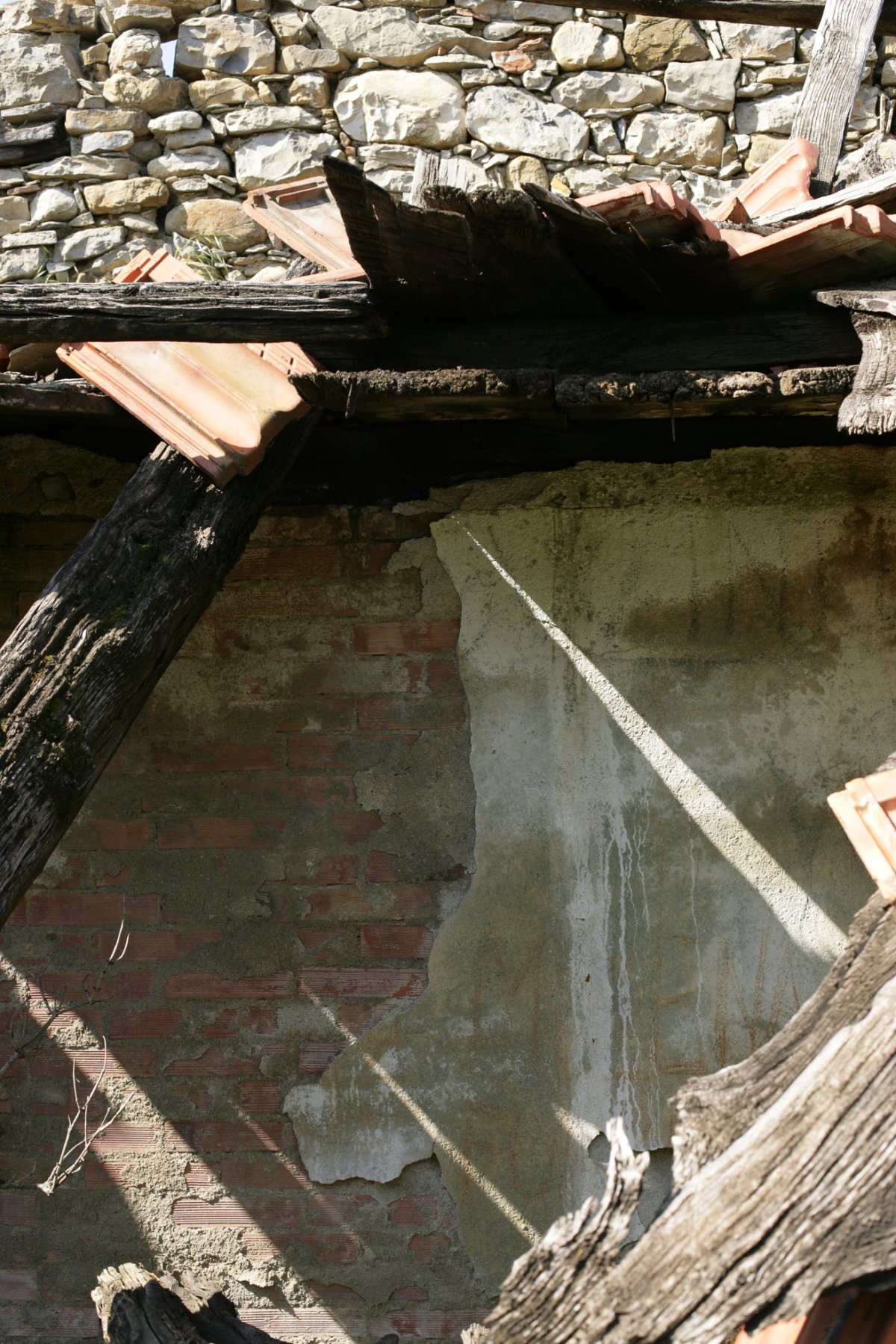
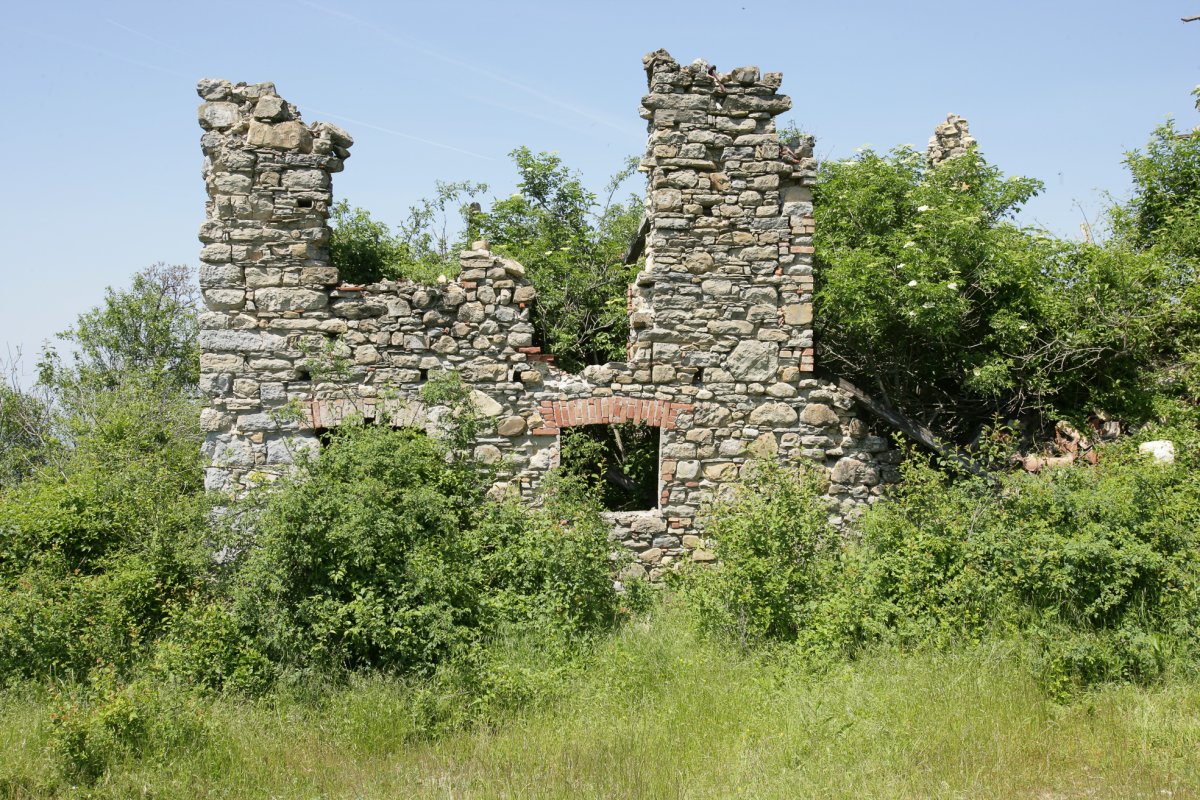
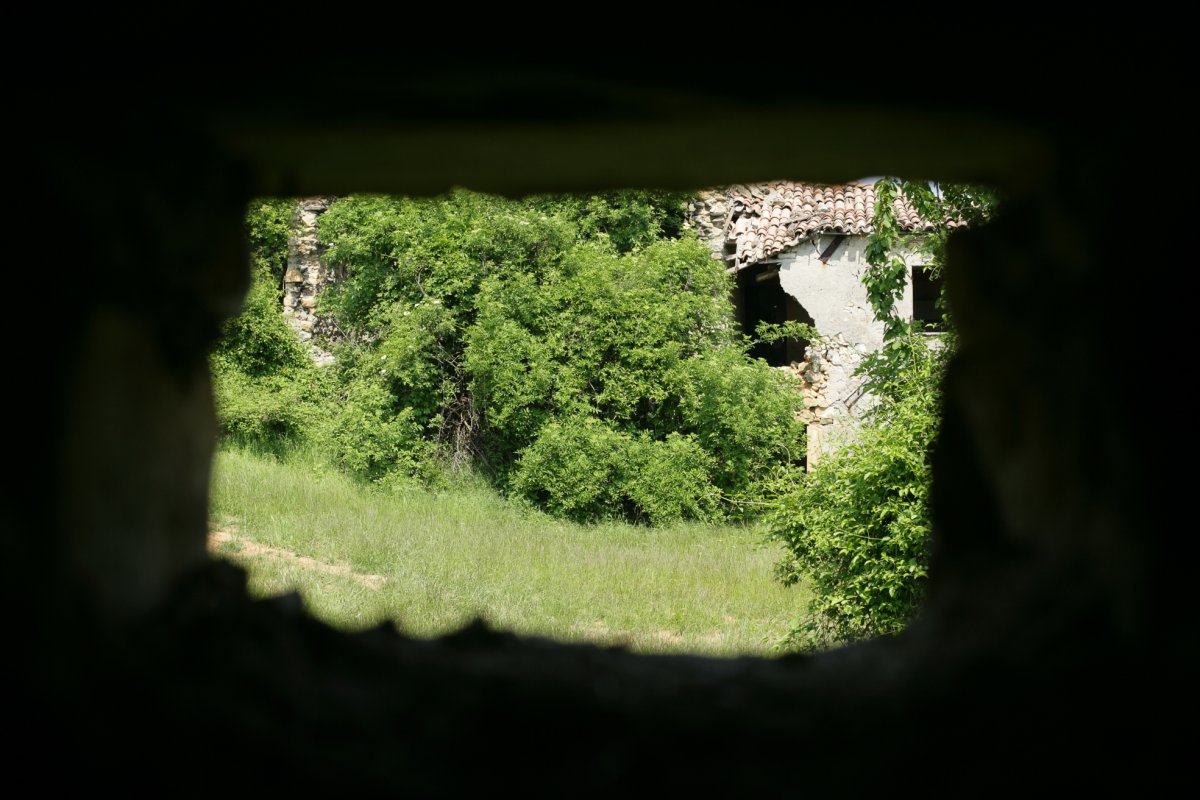
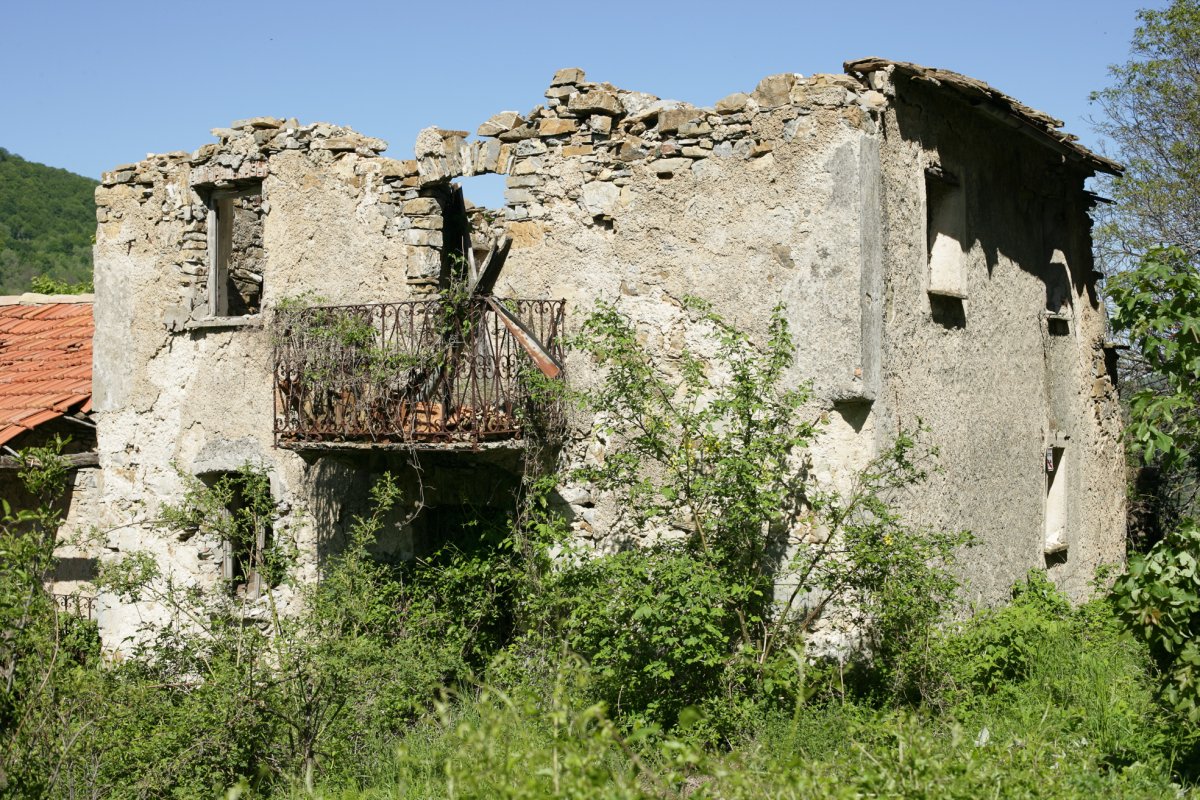
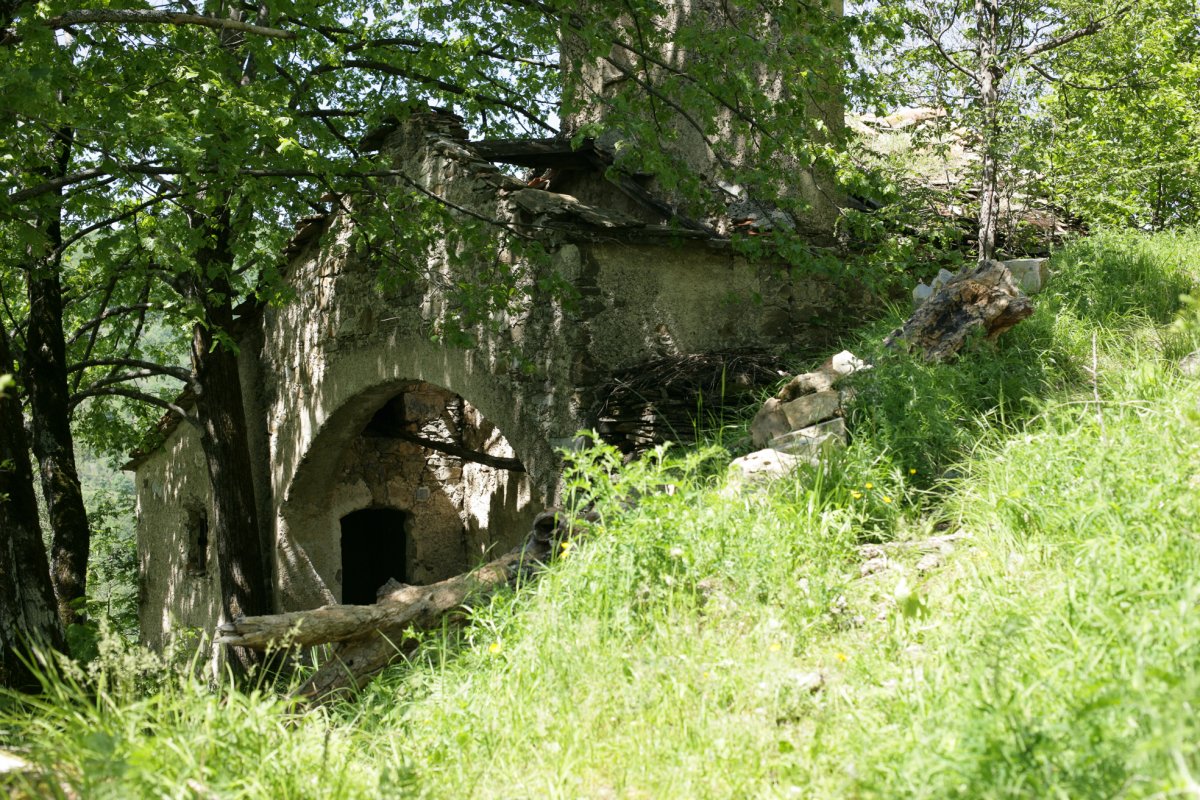
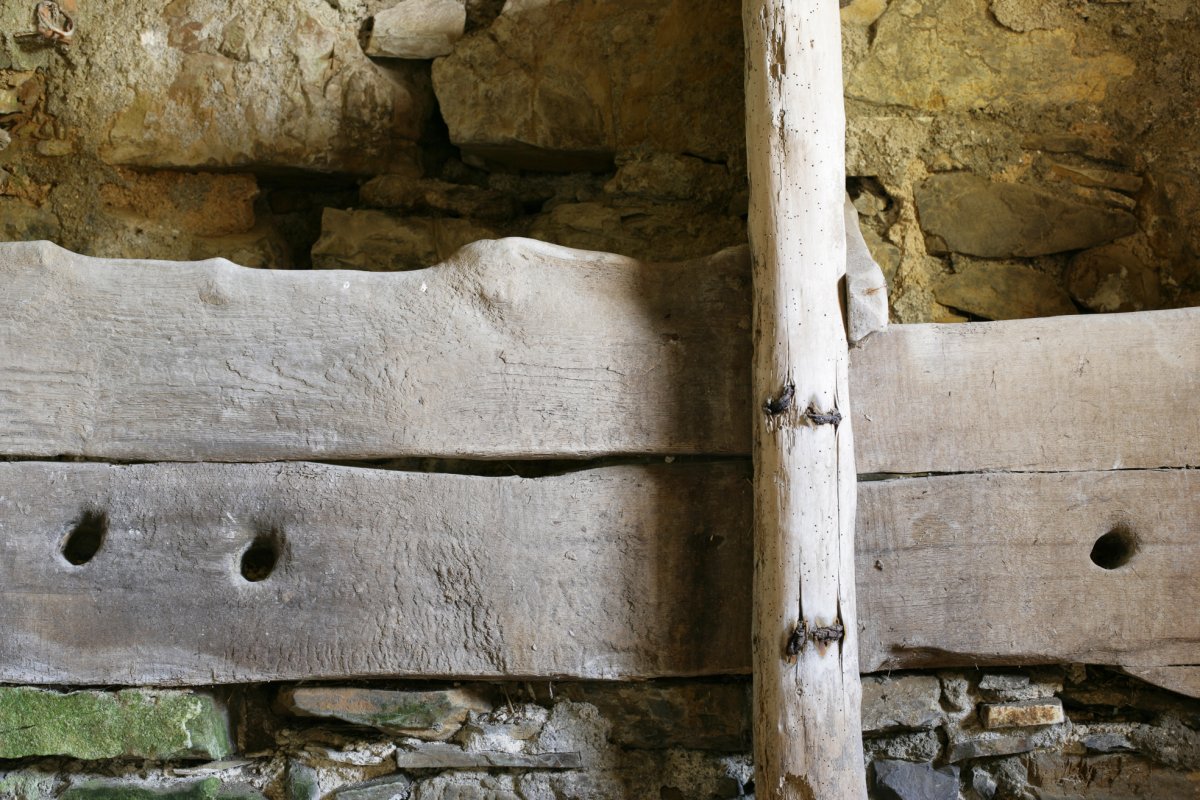
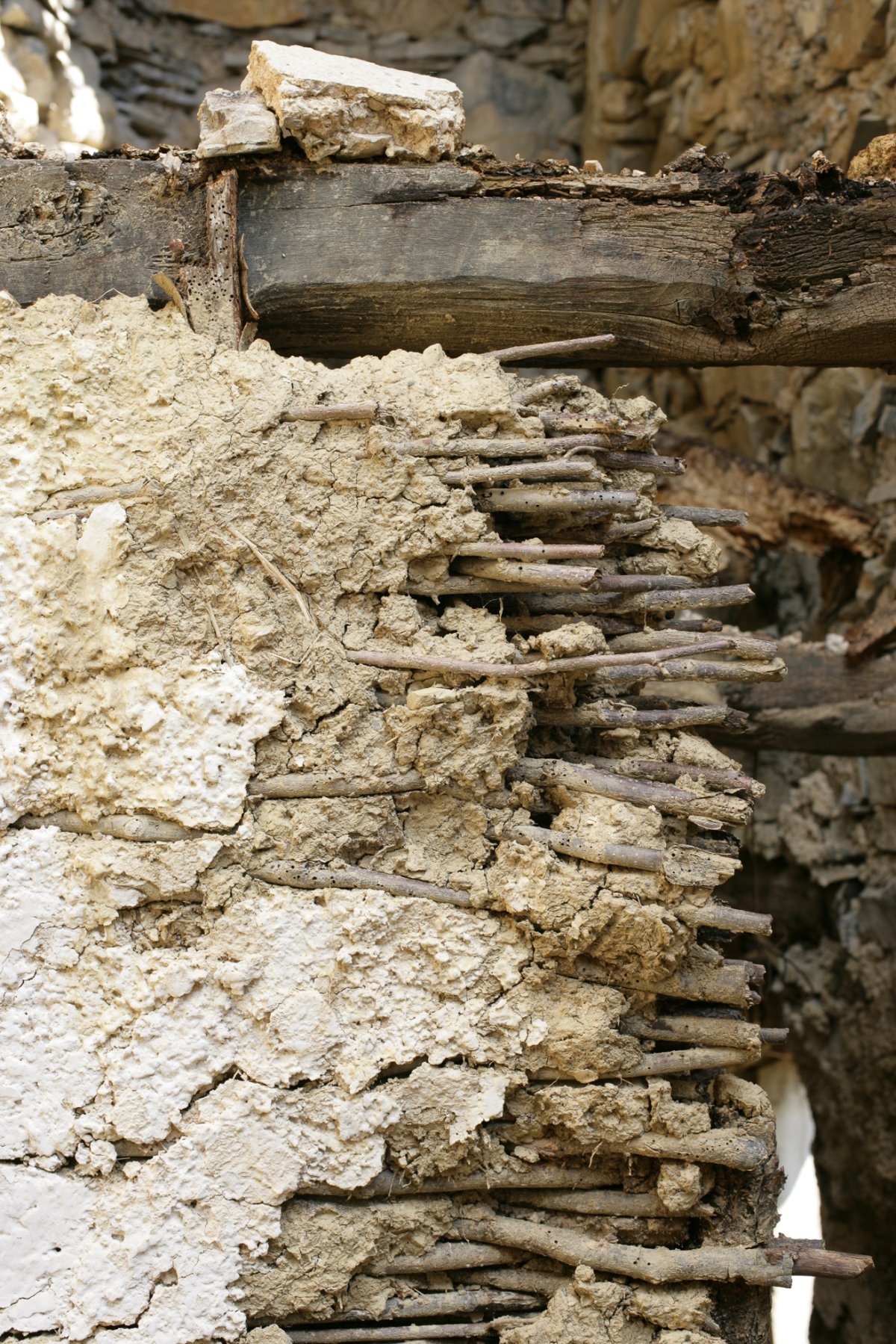
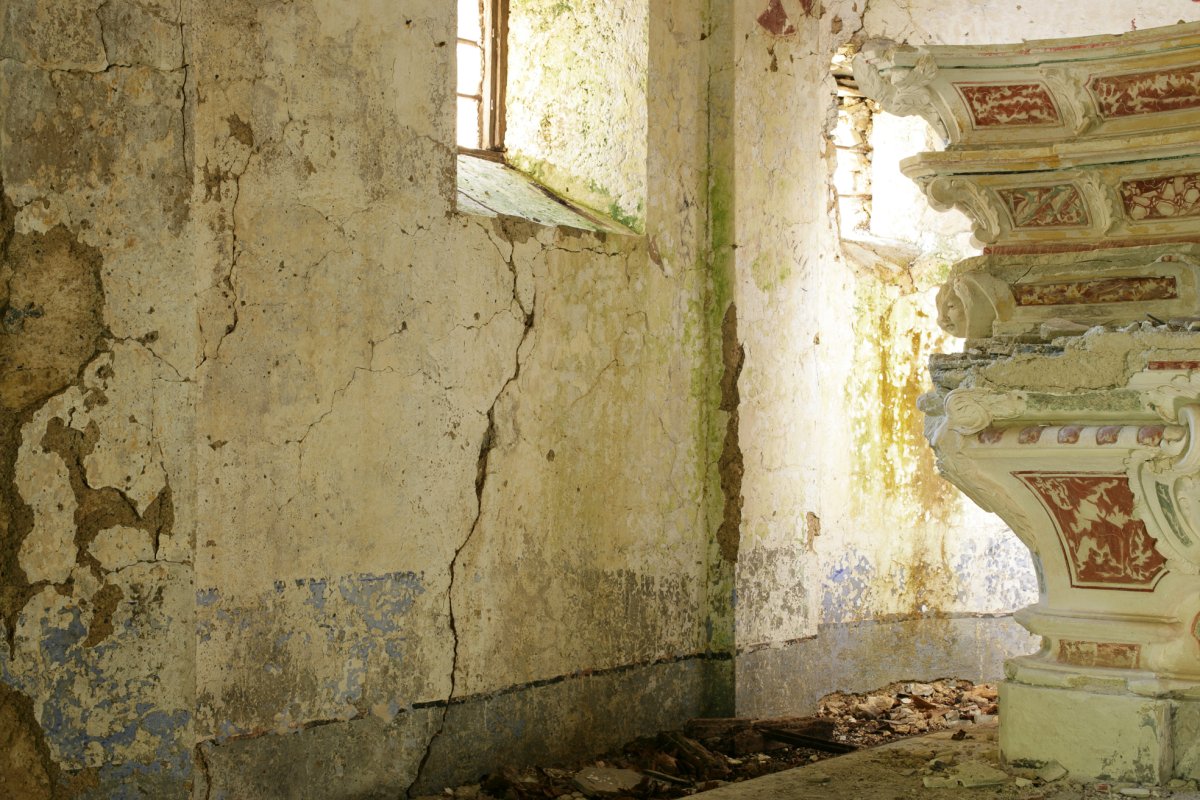
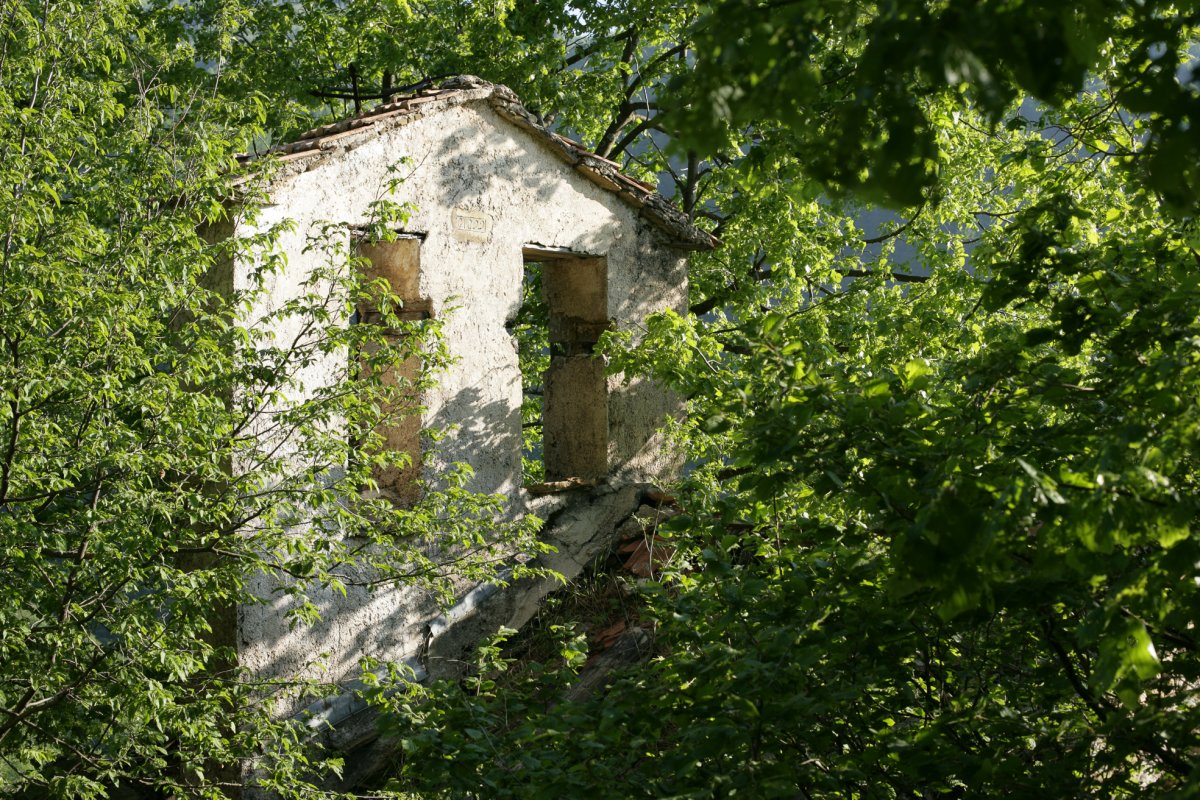
In Val Borbera, as elsewhere, the economic and social changes of the 1950s and 1960s led to the depopulation of entire mountain villages. Where people once lived a hard farming life, governed by the age-old rhythm of the seasons and the demands of cultivation and livestock rearing, there now remain ruins, the remains of stone houses, roofless stables, deconsecrated churches, even a cemetery (at Reneuzzi). I photographed Avi, Camere Nuove, Casone, Riva Rossa, Reneuzzi and Ferrazza. Ferrazza is a case apart: it cannot be considered completely abandoned. In recent years, a group of valley residents bought the houses that make up the village, which were already in reasonably good condition, and have been working to keep it alive, preserving its original layout and respecting the environment.
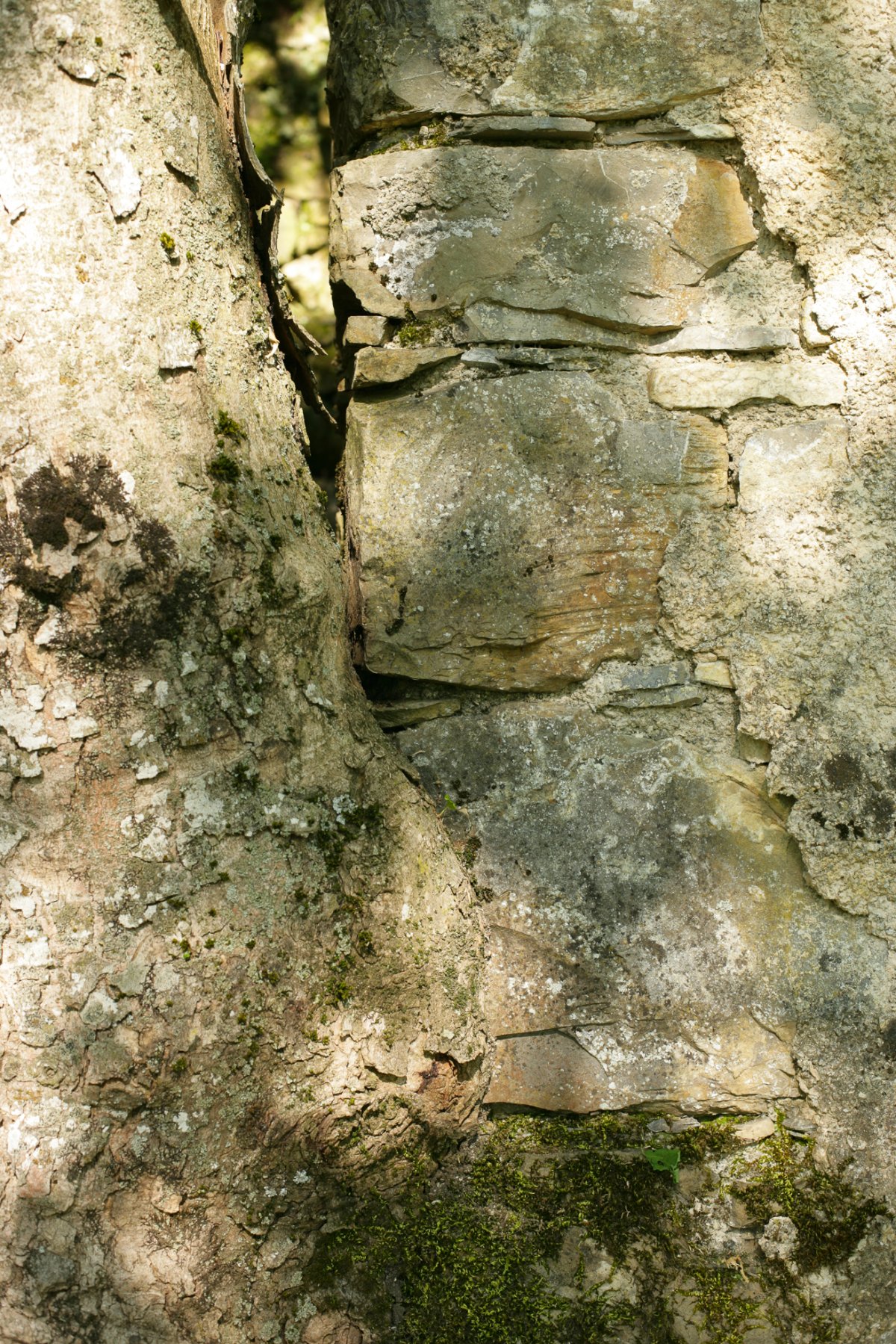
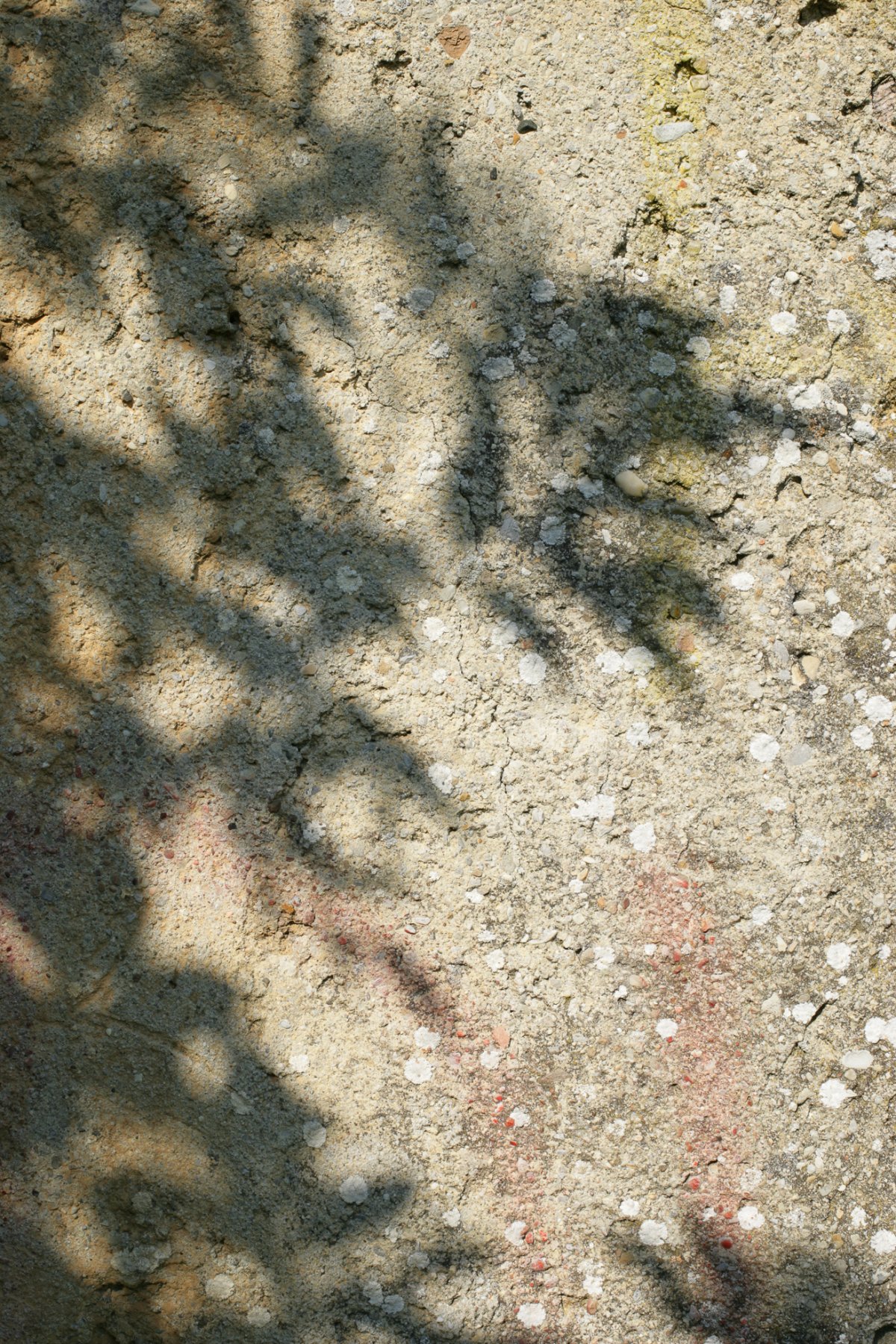
These villages stand in desolate, silent, sometimes ghostly places, where human work is almost perceived as a product of nature. The same forces that shaped the mountain through disintegration, collapse and the thickening of vegetation act here upon the buildings and walls. Human spiritual strength and the forces of nature interact. Nature returns these works to the material state from which they came. It reclaims them.
2005