Paesaggi d’assenza. Sulle tracce di Lalla RomanoLandscapes of Absence. In the Footsteps of Lalla Romano

2004

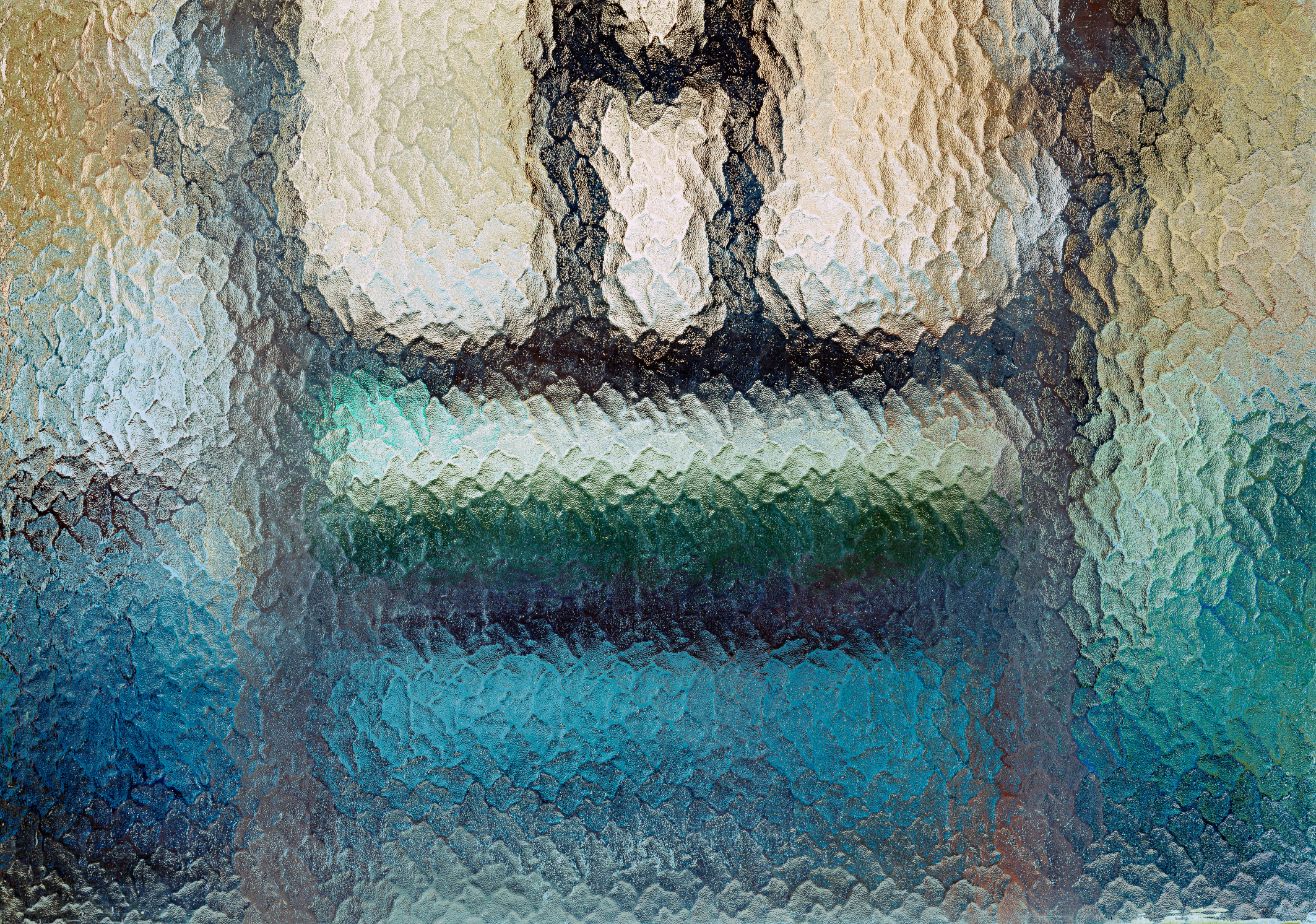
After Lalla Romano’s death, her untouched home becomes the setting for an exploration of absence. The photographs concentrate on imprints, old photographs and objects: material presences that make the life no longer there all the more palpable.

Fine art prints on cotton paper. Edition of 5.

Untitled (116 × 92 cm)
Untitled (116 × 92 cm) · from the series Paesaggi d’assenza. Sulle tracce di Lalla Romano / Landscapes of Absence. In the Footsteps of Lalla Romano (2004)
Untitled (76 × 65 cm)
Untitled (76 × 65 cm) · from the series Paesaggi d’assenza. Sulle tracce di Lalla Romano / Landscapes of Absence. In the Footsteps of Lalla Romano (2004)
Untitled (80 × 100 cm)
Untitled (80 × 100 cm) · from the series Paesaggi d’assenza. Sulle tracce di Lalla Romano / Landscapes of Absence. In the Footsteps of Lalla Romano (2004)
Untitled (71 × 90 cm)
Untitled (71 × 90 cm) · from the series Paesaggi d’assenza. Sulle tracce di Lalla Romano / Landscapes of Absence. In the Footsteps of Lalla Romano (2004)
Untitled (116 × 90 cm)
Untitled (116 × 90 cm) · from the series Paesaggi d’assenza. Sulle tracce di Lalla Romano / Landscapes of Absence. In the Footsteps of Lalla Romano (2004)
Untitled (40 × 57 cm)
Untitled (40 × 57 cm) · from the series Paesaggi d’assenza. Sulle tracce di Lalla Romano / Landscapes of Absence. In the Footsteps of Lalla Romano (2004)
Untitled (78 × 62 cm)
Untitled (78 × 62 cm) · from the series Paesaggi d’assenza. Sulle tracce di Lalla Romano / Landscapes of Absence. In the Footsteps of Lalla Romano (2004)
Untitled (72 × 58 cm)
Untitled (72 × 58 cm) · from the series Paesaggi d’assenza. Sulle tracce di Lalla Romano / Landscapes of Absence. In the Footsteps of Lalla Romano (2004)
Untitled (35 × 87 cm)
Untitled (35 × 87 cm) · from the series Paesaggi d’assenza. Sulle tracce di Lalla Romano / Landscapes of Absence. In the Footsteps of Lalla Romano (2004)
Untitled (50 × 35 cm)
Untitled (50 × 35 cm) · from the series Paesaggi d’assenza. Sulle tracce di Lalla Romano / Landscapes of Absence. In the Footsteps of Lalla Romano (2004)
Untitled (49 × 39 cm)
Untitled (49 × 39 cm) · from the series Paesaggi d’assenza. Sulle tracce di Lalla Romano / Landscapes of Absence. In the Footsteps of Lalla Romano (2004)
Untitled (71 × 56 cm)
Untitled (71 × 56 cm) · from the series Paesaggi d’assenza. Sulle tracce di Lalla Romano / Landscapes of Absence. In the Footsteps of Lalla Romano (2004)
Untitled (110 × 89 cm)
Untitled (110 × 89 cm) · from the series Paesaggi d’assenza. Sulle tracce di Lalla Romano / Landscapes of Absence. In the Footsteps of Lalla Romano (2004)
Untitled (98 × 78 cm)
Untitled (98 × 78 cm) · from the series Paesaggi d’assenza. Sulle tracce di Lalla Romano / Landscapes of Absence. In the Footsteps of Lalla Romano (2004)
Untitled (35 × 45 cm)
Untitled (35 × 45 cm) · from the series Paesaggi d’assenza. Sulle tracce di Lalla Romano / Landscapes of Absence. In the Footsteps of Lalla Romano (2004)

Texts

Gigliola Foschi

Drawing Closer Deepens the Mystery. In the Footsteps of Lalla Romano

L’avvicinarsi, accresce il mistero. Sulle tracce di Lalla Romano

Antonio Ria

Time, Space and Silence

Il tempo, lo spazio e il silenzio

Roberto Signorini

Fragments for Understanding

Frammenti per capire

Giuseppe Curonici

A Complex Simplicity

Una complessa semplicità

Back to Selected Works

Photograph

L’avvicinarsi, accresce il mistero. Sulle tracce di Lalla Romano

di Gigliola Foschi

La casa milanese di Lalla Romano. La casa dove la scrittrice ha vissuto quasi cinquant’ anni e che il marito Antonio Ria ha voluto tenacemente preservare intatta così come lei l’ha lasciata dopo la sua morte: le librerie rigurgitanti di libri e fotografie, la cucina con le pesanti seggiole di legno dipinte di bianco e un po’ scheggiate, i quadri da lei dipinti che occupano quasi ogni angolo delle pareti rimaste libere dai libri, la poltrona dalla tappezzeria a fiori dove Lalla amava leggere… Un ambiente che – come le case su cui rifletteva Mario Praz – si rivela “museo dell’anima”, “archivio di esperienze”, e non semplicemente un luogo segnato dalla sua presenza.

Come fotografare questa casa carica di memorie, senza tradirla? Come proteggere la storia racchiusa nelle cose e al contempo portarla alla luce?

Grande lettore di Lalla Romano, il fotografo Alessandro Vicario, con la sua ricerca Paesaggi d’assenza. Sulle tracce di Lalla Romano, realizza un lavoro che non è solo una documentazione dell’ambiente in cui la scrittrice ha vissuto, ma anche una sorta di interazione mimetica con la sua scrittura, un proseguimento del suo percorso, trasfigurato in termini visivi. Nella Premessa al proprio libro Nei mari estremi, la stessa Lalla Romano cita una significativa frase del critico Jacqueline Risset: “Il movimento essenziale dello sguardo di Lalla Romano si può descrivere così: l’avvicinarsi, accresce il mistero.”

Ed ecco che anche lo sguardo di Alessandro Vicario non viene distratto dall’insieme dell’appartamento, non mira a descriverlo, ma avanza e si avvicina alle cose come se volesse preservarle accogliendole nell’inquadratura. Mosso dal desiderio di cogliere la presenza di Lalla attraverso le tracce del suo vissuto depositate nella casa, raccoglie frammenti visivi come un tenace collezionista proteso ad ascoltare anche i minimi brusii delle cose: osserva l’impronta della testa di Lalla lasciata sulla poltrona, i semplici vetri che dividono le stanze, un pensile della cucina con vecchie cartoline disposte in bell’ordine, i vuoti delle pareti tra un quadro e l’altro…

Prive di manipolazioni e di ogni romantica interpretazione soggettiva, le sue immagini, simili a imparziali prelievi di realtà anche nelle proporzioni identiche a quelli degli oggetti ritratti, rivelano che questo suo dare visibilità alle cose non cela l’intento di “catturarle”, ma solo di salvarle dall’oblio e dall’indifferenza attraverso un gesto visivo di prossimità e attenzione. Una prossimità che però, come nella scrittura di Lalla Romano, non nasconde nessuna idealizzazione, ma anzi rivela un distacco oggettivo, una “spietatezza” che discende da “una superiore pietà” (per usare le parole stesse della scrittrice).

Lo sguardo di Vicario, come quello di Lalla, non punta infatti all’estetismo ma alla restituzione del reale, al recupero della memoria, alla verità. Se Lalla riesce a dire anche la sofferenza e la morte usando parole precise come schegge, Vicario, da parte sua, non sceglie i dettagli più suggestivi della abitazione della scrittrice, ma quelli – belli o brutti che siano – capaci di portare alla luce esperienze e vissuti. Per questo indugia soprattutto in cucina, dove Lalla, come racconta Antonio Ria, “dopo colazione, vi si attardava a leggere i giornali, a volte cominciava a scrivere, a prendere appunti”; per questo si ferma anche nel bagno, luogo privato per antonomasia, capace di evocare il rapporto della scrittrice con il proprio corpo anziano.

“Per me scrivere è stato sempre cogliere, dal tessuto fitto e complesso della vita qualche immagine, dal rumore del mondo qualche nota, e circondarle di silenzio” scrive Lalla Romano nel libro Nei mari estremi, che anche visivamente si presenta come un insieme di testi brevi e concentrati, immersi nel bianco silenzioso delle pagine.

Allo stesso modo Vicario raccoglie nello spazio della casa qualche “reperto visivo”, lo isola e lo immerge nel silenzio. Non gli interessa mostrare con le immagini il continuum dell’esperienza e il suo muoversi nello spazio abitativo, ma avvicinarsi alle cose, cogliere frammenti simili a presenze interrogative ed enigmatiche.

L’operazione di “spietata” vicinanza compiuta da questi due autori non conduce infatti né la scrittura di Lalla e neppure le immagini di Vicario a trasformarsi in opere con un senso palese e afferrabile. Come appunto ci ricordava l’autrice: “L’avvicinarsi, accresce il mistero”.

Liberate dal flusso dell’esperienza, le cose divenute immagine, proprio perché simili a impronte laconiche, si aprono a una condizione antinomica e divergente: si offrono come presenze e al contempo si ritraggono in una sorta di distanza misteriosa e sospesa; sono lì nella loro “cosità” eppure agiscono come metafore in cui il visibile si trasforma in presenza di ciò che è invisibile.

Come ricorda Merleau-Ponty “vedere è avere a distanza”: mentre l’occhio retto da una metafisica platonica vuole andare al di là del visibile fino a raggiungere una supposta pienezza dell’essere, lo sguardo interrogante sa che il vedere richiede discrezione per aprirsi a un altrove, all’irrappresentabile inscritto nella rappresentazione.

E’ forse questa distanza, coniugata paradossalmente con un massimo di vicinanza, a creare nella scrittura di Lalla Romano e nelle immagini di Alessandro Vicario una sorta di spaziatura, uno scarto, che le apre al mistero delle cose e delle esperienze.

2004

Drawing Closer Deepens the Mystery. In the Footsteps of Lalla Romano

by Gigliola Foschi

Lalla Romano’s home in Milan. The home where the writer lived for almost fifty years, and which her husband Antonio Ria has steadfastly sought to preserve intact since her death, just as she left it: the bookcases overflowing with books and photographs; the kitchen with its heavy wooden chairs, painted white and slightly chipped; the pictures she painted, occupying almost every corner of the walls not covered by books; the armchair with its floral upholstery, where Lalla loved to read… A setting that, like the homes on which Mario Praz reflected, reveals itself as a “museum of the soul”, an “archive of experiences”, rather than simply a place marked by her presence.

How can one photograph this home, so laden with memories, without betraying it? How can one protect the history held within its objects while also bringing it to light?

A devoted reader of Lalla Romano, photographer Alessandro Vicario, in his project Paesaggi d’assenza. Sulle tracce di Lalla Romano (Landscapes of Absence. In the Footsteps of Lalla Romano), creates a work that is not merely a record of the environment in which the writer lived, but also a kind of mimetic interaction with her writing: a continuation of her path, transfigured into visual terms. In the preface to her book Nei mari estremi, Lalla Romano herself quotes a telling phrase by the critic Jacqueline Risset: “The essential movement of Lalla Romano’s gaze can be described thus: drawing closer deepens the mystery.”

Alessandro Vicario’s gaze, too, is not distracted by the apartment as a whole, nor does it seek to describe it. Instead, it advances and draws closer to things, as though wishing to preserve them by receiving them within the frame. Moved by a desire to perceive Lalla’s presence through the traces of her life deposited in the home, he gathers visual fragments like a tenacious collector intent on listening to even the faintest murmurs of things. He observes the impression left by Lalla’s head on the armchair, the simple panes of glass that divide the rooms, a kitchen wall cabinet with old postcards neatly arranged, the empty spaces on the walls between one picture and the next…

Free from manipulation and from any romantic, subjective interpretation, his images resemble impartial samples of reality, even in their proportions, which match those of the objects depicted. They reveal that his act of making things visible conceals no intention to “capture” them, but seeks only to save them from oblivion and indifference through a visual gesture of proximity and attentiveness. Yet this proximity, as in Lalla Romano’s writing, conceals no idealisation. On the contrary, it reveals an objective detachment, a “ruthlessness” that stems from “a higher compassion”, to use the writer’s own words.

Like Lalla’s, Vicario’s gaze seeks not aestheticism, but the rendering of reality, the recovery of memory, the truth. If Lalla can speak even of suffering and death with words as precise as shards, Vicario, for his part, chooses not the most evocative details of the writer’s home, but those—beautiful or ugly—that can bring experiences and personal histories to light. This is why he lingers above all in the kitchen, where, as Antonio Ria recounts, Lalla “would stay after breakfast to read the newspapers, sometimes beginning to write, to take notes”. It is also why he pauses in the bathroom, the quintessential private space, capable of evoking the writer’s relationship with her ageing body.

“For me, writing has always meant gathering a few images from the dense and complex fabric of life, a few notes from the noise of the world, and surrounding them with silence,” writes Lalla Romano in Nei mari estremi, a book that, even visually, presents itself as a collection of brief, concentrated texts immersed in the silent white of its pages.

In the same way, Vicario gathers a few “visual findings” from the space of the home, isolates them and immerses them in silence. He is not interested in using images to show the continuum of experience or his movement through the living space, but in drawing closer to things, capturing fragments that resemble questioning, enigmatic presences.

The act of “ruthless” proximity performed by these two authors does not, in fact, turn either Lalla’s writing or Vicario’s images into works whose meaning is manifest and readily grasped. As the writer reminded us: “Drawing closer deepens the mystery.”

Freed from the flow of experience, things become images and, precisely because they resemble laconic imprints, open themselves to a condition of contradiction and divergence. They offer themselves as presences while withdrawing into a kind of mysterious, suspended distance. They are there in their “thingness”, yet they act as metaphors in which the visible becomes the presence of what is invisible.

As Merleau-Ponty reminds us, “to see is to have at a distance”. While the eye governed by a Platonic metaphysics seeks to go beyond the visible and reach a supposed fullness of being, the questioning gaze knows that seeing requires discretion if it is to open onto an elsewhere, onto the unrepresentable inscribed within representation.

Perhaps it is this distance, paradoxically combined with the utmost proximity, that creates in Lalla Romano’s writing and Alessandro Vicario’s images a kind of spacing, a gap that opens them to the mystery of things and experiences.

2004

Il tempo, lo spazio e il silenzio

di Antonio Ria

«La cucina era importante, ci si viveva molto. Vorrei sceverare i suoi momenti, i luoghi dentro di essa: ognuno un mondo»: così scriveva Lalla Romano all’inizio degli anni Settanta nel testo «La cucina», che sarebbe dovuto diventare un capitolo del libro sugli anni di Cuneo - gli anni della sua adolescenza - un libro sempre rimandato e che in fondo non ha scritto come l’aveva impostato. Agli anni di Cuneo infatti è dedicato Dall’ombra (Einaudi 1999), ma con una nuova struttura: e non a caso, nella seconda parte di questo suo ultimo romanzo, l’autrice inserisce questo racconto, insieme ad un altro («La casa agli Orti», già pubblicato in Un sogno del Nord col titolo «La casa dello zio Canonico») che avrebbe dovuto avere la medesima collocazione. Ebbene, in questo testo Lalla Romano descrive dettagliatamente quella sua cucina di Cuneo, nei vari elementi e momenti, così come lei li aveva vissuti.

Ora è qualcun altro che compie, nella casa milanese di Lalla rimasta intatta a tre anni dalla sua scomparsa, una ricognizione analitica di angoli e particolari, proprio insistendo sulla cucina, («La cucina era importante…»), alla ricerca di una presenza che è ormai assenza, come sottolinea il fotografo Alessandro Vicario, autore di questa indagine, che nella casa vuota di Lalla Romano ha vissuto giorni di attesa nell’agosto torrido del 2003: «È proprio la presenza di queste tracce a rendere manifesta (e struggente) l’assenza».

Il lettore troverà compiutamente nello scritto di Vicario il senso della sua indagine e nel testo di Roberto Signorini una presentazione adeguata del lavoro del giovane fotografo e dell’importanza di questa ricerca all’interno della sua breve ma ricca storia, con uno sguardo più ampio al significato che questa ricognizione assume nella «pratica artistica della fotografia» e nella «riflessione teorica su di essa».

Vorrei qui solo tentare di inserire questo lavoro nel complesso della scrittura di Lalla Romano, dando così una adeguata giustificazione al fatto di voler pubblicare – per merito delle Edizioni Le Ricerche di Losone (Cantone Ticino) e dell’editore Jean Olaniszyn – questo libro nel terzo anniversario della scomparsa della scrittrice, una data quindi significativa per noi suoi lettori.

Mi sembra evidente inserire tutto questo all’interno dell’idea e della pratica che la memoria ha avuto nella scrittura di Lalla Romano: i suoi libri nascono infatti dalla memoria, che filtra i ricordi. Quella memoria che – come ha scritto – «è giusto chiamare figlia delle Muse (le opere sono questo)»: «la misura principe di ogni narrazione» (Un sogno del Nord, Einaudi 1989).

La memoria è collegata al tema del tempo: «Viviamo immersi nel tempo, ma il tempo non è soltanto quello degli orologi… C’è un tempo d’attesa, un tempo di rimpianto… In un certo senso chi è artista vive sempre nel presente. C’è un eterno presente nel quale noi ritroviamo il nostro passato… Poiché questo viene rivissuto, diventa presente «(L’eterno presente. Conversazione con Antonio Ria, Einaudi 1998)».

E qual è, in Lalla Romano, il rapporto fra scrittura e tempo? Ecco la sua risposta: «La scrittura restituisce trasformato ciò che il tempo ci porta via».

Una frase del grande pensatore francese del Settecento, Joseph Joubert, che Lalla considerava suo maestro, mi aveva colpito: «Fra le tre dimensioni bisogna contare il tempo, lo spazio e il silenzio». Le chiesi, in quella conversazione, se fossero anche le dimensioni della sua vita e della sua scrittura. «Certo – mi rispose –, il silenzio è quello che dà valore alle poche parole che emergono da questo silenzio».

Ecco, allora, che troviamo un filo conduttore che ci aiuta a capire la ricerca fotografica di Alessandro Vicario e di inserirla non casualmente nella linea della scrittura e della vita di Lalla Romano. All’interno di quell’idea fondante che è la memoria – «figlia delle Muse», ma anche «madre (Mnemosine)» – lo spazio si estende nel tempo: ma tutto è circondato di silenzio.

Il silenzio che circonda le parole nella scrittura di Lalla Romano è in fondo lo stesso silenzio che aleggia nelle fotografie di Alessandro Vicario.

E non dimentichiamo quanta importanza ha avuto la “memoria fotografica” nell’opera di Lalla Romano. Non solo nei suoi libri esplicitamente costruiti con o su fotografie (soprattutto del padre Roberto), ma come punto di partenza, scatto narrativo per molti suoi romanzi: si pensi a La penombra che abbiamo attraversato (Einaudi 1964).

Ebbene, oltre alle sue opere, ora sono anche queste tracce vive ritrovate da Vicario (e si ricordi che molti mobili di questa casa, fotografati in alcuni particolari, erano stati da lei stessa disegnati nel 1932, anno del suo matrimonio) a darci la memoria della sua presenza.

Time, Space and Silence

by Antonio Ria

“The kitchen was important; we spent a great deal of time there. I would like to distinguish its different moments, the places within it: each one a world.” So wrote Lalla Romano in the early 1970s in “La cucina”, a text intended to become a chapter in her book about the Cuneo years—the years of her adolescence. It was a book she kept postponing and ultimately never wrote in the form she had first envisaged. Dall’ombra (Einaudi, 1999) is indeed devoted to the Cuneo years, but takes a new form. It is no coincidence that, in the second part of this final novel, she includes this story alongside another, “La casa agli Orti”—previously published in Un sogno del Nord under the title “La casa dello zio Canonico”—which was to have occupied the same place in the earlier plan. In this text, then, Lalla Romano describes her kitchen in Cuneo in detail, its various elements and moments, just as she had experienced them.

Now it is someone else who, in Lalla’s Milan home, still intact three years after her death, undertakes an analytical exploration of corners and details, dwelling particularly on the kitchen (“The kitchen was important…”). He searches for a presence that has now become absence, as photographer Alessandro Vicario, the author of this investigation, emphasises. During the torrid August of 2003, he spent days waiting in Lalla Romano’s empty home: “It is precisely the presence of these traces that makes the absence manifest—and poignant.”

Readers will find the full meaning of Vicario’s investigation in his own text. Roberto Signorini’s contribution offers an apt introduction to the young photographer’s work and to the importance of this project within his brief but rich history, taking a broader view of what the exploration means for “the artistic practice of photography” and “theoretical reflection upon it”.

Here I would simply like to try to place this work within the larger context of Lalla Romano’s writing. This also helps explain our wish to publish this book—thanks to Edizioni Le Ricerche in Losone, Canton Ticino, and its publisher Jean Olaniszyn—on the third anniversary of the writer’s death, a date of particular significance to those of us who read her.

It seems clear to me that all this belongs within the idea of memory and its practice in Lalla Romano’s writing: her books arise from memory, which filters recollections. That memory which, as she wrote, “it is right to call a daughter of the Muses (that is what works of art are)”: “the supreme measure of every narrative” (Un sogno del Nord, Einaudi, 1989).

Memory is linked to the theme of time: “We live immersed in time, but time is not only what clocks measure… There is a time of waiting, a time of regret… In a sense, an artist always lives in the present. There is an eternal present in which we rediscover our past… Because it is relived, it becomes present” (L’eterno presente. Conversazione con Antonio Ria, Einaudi, 1998).

And what, for Lalla Romano, is the relationship between writing and time? Here is her answer: “Writing gives back, transformed, what time takes away from us.”

A phrase by the great eighteenth-century French thinker Joseph Joubert, whom Lalla regarded as a master, had struck me: “Among the three dimensions, one must count time, space and silence.” In that conversation, I asked whether these were also the dimensions of her life and her writing. “Certainly,” she replied. “Silence is what gives value to the few words that emerge from it.”

Here, then, we find a thread that helps us understand Alessandro Vicario’s photographic investigation and place it meaningfully within the continuity of Lalla Romano’s writing and life. Within the foundational idea of memory—“daughter of the Muses”, but also “mother (Mnemosyne)”—space extends into time, yet everything is surrounded by silence.

The silence surrounding the words in Lalla Romano’s writing is, ultimately, the same silence that hovers in Alessandro Vicario’s photographs.

Nor should we forget the importance of “photographic memory” in Lalla Romano’s work: not only in the books explicitly composed with or around photographs—above all those taken by her father Roberto—but also as a point of departure, a narrative impulse, for many of her novels. La penombra che abbiamo attraversato (Einaudi, 1964) is one example.

Now, alongside her works, these living traces rediscovered by Vicario also preserve the memory of her presence. We should recall that many of the pieces of furniture in this home, details of which appear in the photographs, were designed by Lalla herself in 1932, the year of her marriage.

Frammenti per capire

di Roberto Signorini

Credo che si sbaglierebbe se si vedessero queste immagini fotografiche semplicemente come un omaggio affettuoso e grato all’opera di Lalla Romano, o come una documentazione dell’ambiente in cui essa ha trascorso l’ultima parte della vita; come una rappresentazione del laboratorio raccolto in cui hanno preso forma alcuni dei suoi libri più noti e amati. Si tratterebbe di un’impresa generosa, ma confinata nei limiti dell’illustrativo e dell’aneddotico.

La posta in gioco è più alta, come appare se si considera nel suo insieme il progetto di ricerca visiva a cui Alessandro Vicario lavora da anni. Egli ha deciso di non essere contemporaneo e complice della dominante cultura della smemoratezza, che rimuove – o (ma è lo stesso) deforma strumentalmente – il passato al servizio di un presente da consumare anziché da vivere. Incurante dell’imperativo sociale che vieta quella forma di pietas che è l’interrogarsi su ciò e su chi è scomparso, egli ha intrapreso nel 1999 un tenace lavoro di raccolta delle tracce visive di alcune presenze che lo hanno segnato e che sono per lui termini ineludibili di riferimento e riconoscimento di sé.

La prima di tali presenze è quella della nonna paterna, e dei propri anni trascorsi con lei, le cui tracce, visibili ancora per poco sulle pareti ormai spoglie di una casa prossima a cambiare proprietà, egli ha raccolto e tradotto in fotografie, cioè in tracce fotochimiche di quelle tracce umane (Frammenti domestici tra memoria e oblio, 1999-2001); e per far avvertire ancora più forte il legame fra le une e le altre, ha stampato le fotografie nelle stesse dimensioni delle superfici riprese, così che ad ogni frammento di casa, di vita, di memoria, corrisponda un frammento di superficie fotosensibile impressionata; e tutti questi frammenti, liberamente ricomposti su altre pareti, si presentino a chi li vede come invito a un analogo impegno di ricomposizione e riscatto di ciò che è passato, ma non veramente perduto finché si sappia rielaborarlo come parte di sé.

Un’altra tappa di questa ricerca è il lavoro, tuttora in corso, su ciò che resta del muro di Berlino (Screpolature… dal muro di Berlino…, 2003): oggetto tanto carico di segni e depositi contraddittori, e tanto celebrato ufficialmente, quanto non elaborato davvero quale autentico tema di memoria storica – come dimostra il fatto che, celebrandolo, si vogliono dimenticare altri e non diroccati muri della vergogna lungo altre frontiere di un nuovo “impero d’occidente”, illuso come l’antico di tenere fuori i “barbari” che già lo abitano.

Anche in questo caso, lo sguardo dell’autore respinge la retorica dominante e si tiene fermo all’oggetto, alle tracce che vi si stratificano e agli interrogativi che ne scaturiscono.

La terza tappa, per ora, di questo percorso coerente che lega la realtà personale dell’autore a quella di tutti – com’è giusto in un mondo dove nessuno può “salvarsi” da solo –, è la ricerca sull’ultima casa di Lalla Romano, sul “paesaggio” in cui la fotografia coglie l’assenza della scrittrice nella presenza delle sue tracce.

In questo lavoro il rigore, e a volte l’asprezza, dei primi due si attenua, e subentra uno sguardo più dolce e contemplativo, che, di fronte non più a vuoti, screpolature, deterioramento e abbandono, bensì ad oggetti domestici, dipinti, libri tuttora vivi e disponibili, coglie i segni del tempo non solo come una fine ma anche come una speranza di continuità.

Alla luce dell’intero percorso qui tratteggiato, allora, la ricerca sui paesaggi d’assenza e sulle tracce di Lalla Romano appare aliena da ogni interesse aneddotico, e ben inserita invece in quella ricca vicenda di pratica artistica della fotografia e di riflessione teorica su di essa che si sviluppa con grande vitalità negli ultimi decenni.

In essa è centrale l’idea che la fotografia, per usare le parole di Susan Sontag, “non è soltanto un’immagine […]; è anche un’impronta, una cosa riprodotta direttamente dal reale […]. Mentre un quadro, anche se rispetta i criteri fotografici della rassomiglianza, non fa mai nulla di più che enunciare un’interpretazione, una fotografia non fa mai niente di meno che registrare un’emanazione (onde luminose riflesse da oggetti), un’orma materiale del suo soggetto, come un quadro non è mai in grado di fare” (Sulla fotografia, tr. it., Torino, Einaudi, 1978, p. 132).

E Roland Barthes scrive in una pagina celebre: “Chiamo ‘referente fotografico’ non già la cosa facoltativamente reale a cui rimanda un’immagine o un segno, bensì la cosa necessariamente reale che è stata posta dinanzi all’obiettivo, senza cui non vi sarebbe fotografia alcuna. […] Il nome del noema [dell’essenza; ndr] della Fotografia sarà quindi ‘È stato’ […]: ciò che io vedo si è trovato là, in quel luogo […], e tuttavia è stato immediatamente separato; è stato sicuramente, inconfutabilmente presente, e tuttavia è già differito. […] La foto è letteralmente un’emanazione del referente. Da un corpo reale, che era là, sono partiti dei raggi che raggiungono me, che sono qui; […] la foto dell’essere scomparso viene a toccarmi come i raggi differiti di una stella. (La camera chiara. Nota sulla fotografia, tr. it., Torino, Einaudi, 1980, p. 77-78, 81-82).

Osservazioni che hanno le loro radici nella semiotica filosofica di Charles S. Peirce, secondo cui “le fotografie […] sono molto istruttive, perché noi sappiamo che esse sono per certi aspetti esattamente uguali agli oggetti che rappresentano. Ma questa rassomiglianza è dovuta al fatto che […] sono state prodotte in circostanze tali che esse erano fisicamente costrette a corrispondere punto per punto al dato di natura”, in quanto “effetto delle radiazioni provenienti dall’oggetto” (Collected Papers, 2.281 [1895 ca.], 2.265 [1903]).

Questo spessore teorico sta, nascosto e insieme avvertibile, nei frammenti fotografici che Alessandro Vicario ci offre di oggetti in cui, altrettanto nascosto e avvertibile, sta lo spessore della scrittura e della vita di Lalla Romano.

Ma questa fotografia non rappresenta quella scrittura e quella vita, non le illustra, non le descrive: presenta le loro tracce nel proprio essere traccia, oggetto che si affianca agli oggetti; e attraverso questa chiusa e muta presenza, rispetto a cui l’autore si fa da parte, ci suggerisce quanto vi sia ancora per noi da scoprire e capire in ciò che crediamo di vedere.

Fragments for Understanding

by Roberto Signorini

I believe it would be a mistake to see these photographic images simply as an affectionate and grateful tribute to the work of Lalla Romano, or as a record of the surroundings in which she spent the last part of her life: a representation of the intimate workspace in which some of her best-known and best-loved books took shape. That would be a generous undertaking, but one confined to the illustrative and the anecdotal.

More is at stake, as becomes clear when we consider as a whole the visual inquiry that Alessandro Vicario has pursued for years. He has chosen not to be of his time, or complicit in the prevailing culture of forgetfulness, which suppresses the past—or, what amounts to the same thing, distorts it for its own ends—in the service of a present to be consumed rather than lived. Disregarding the social imperative that forbids the form of pietas involved in questioning what and who has disappeared, in 1999 he began a sustained effort to gather the visual traces of presences that have shaped him and remain indispensable points of reference through which he recognises himself.

The first of these presences is that of his paternal grandmother, and of the years he spent with her. Their traces, still briefly visible on the now bare walls of a house about to change hands, he gathered and translated into photographs: photochemical traces of those human traces (Frammenti domestici tra memoria e oblio, 1999–2001). To make the bond between the two still more palpable, he printed the photographs at the same size as the surfaces photographed, so that each fragment of house, life and memory corresponds to a fragment of exposed photosensitive surface. Freely reassembled on other walls, all these fragments invite the viewer to make a comparable effort to piece together and reclaim what is past, but not truly lost so long as we can rework it as part of ourselves.

Another stage in this inquiry is the work, still in progress, on what remains of the Berlin Wall (Screpolature… dal muro di Berlino…, 2003): an object as laden with contradictory marks and layers, and as officially commemorated, as it remains unexamined as a genuine subject of historical memory. This is evident in the way its commemoration seeks to make us forget other walls of shame, still standing along other frontiers of a new “Western empire”, as deluded as its ancient predecessor in its belief that it can keep out the “barbarians” who already inhabit it.

Here too, the photographer’s gaze rejects the prevailing rhetoric and remains firmly focused on the object, the traces accumulating on it and the questions they raise.

The third stage, so far, in this coherent trajectory linking the photographer’s personal reality to that of everyone else—as it should in a world where no one can “save” themselves alone—is the inquiry into Lalla Romano’s last home: the “landscape” in which photography apprehends the writer’s absence through the presence of her traces.

In this work, the rigour, and at times the harshness, of the first two gives way to a gentler, more contemplative gaze. Confronted no longer with voids, cracks, deterioration and abandonment, but with household objects, paintings and books that remain alive and available, it sees in the marks of time not only an ending but also the hope of continuity.

In the light of the whole trajectory outlined here, the inquiry into landscapes of absence and the traces of Lalla Romano thus emerges as free from any anecdotal interest. Instead, it belongs firmly within the rich development of photographic artistic practice and theoretical reflection that has unfolded with such vitality in recent decades.

Central to this is the idea that photography, in Susan Sontag’s words, “is not merely an image […]; it is also an imprint, something reproduced directly from reality […]. Whereas a painting, even when it meets photographic standards of likeness, never does more than state an interpretation, a photograph never does less than record an emanation (light waves reflected by objects), a material trace of its subject, in a way that a painting can never do” (Sulla fotografia, Italian translation, Turin, Einaudi, 1978, p. 132).

And in a celebrated passage Roland Barthes writes: “By ‘photographic referent’ I mean not the optionally real thing to which an image or a sign refers, but the necessarily real thing that was placed before the lens, without which there would be no photograph. […] The name of Photography’s noeme [its essence; editorial note] will therefore be ‘That-has-been’ […]: what I see was there, in that place […], and yet was immediately separated from it; it was certainly, indisputably present, and yet is already deferred. […] The photograph is literally an emanation of the referent. From a real body, which was there, rays have travelled to reach me, who am here; […] the photograph of the person who has disappeared touches me like the delayed rays of a star” (La camera chiara. Nota sulla fotografia, Italian translation, Turin, Einaudi, 1980, pp. 77–78, 81–82).

These observations have their roots in the philosophical semiotics of Charles S. Peirce, for whom “photographs […] are very instructive, because we know that in certain respects they are exactly like the objects they represent. But this resemblance is due to the fact that […] they were produced under circumstances in which they were physically compelled to correspond point by point to nature”, as an “effect of the radiation coming from the object” (Collected Papers, 2.281 [c. 1895], 2.265 [1903]).

This theoretical depth lies, at once concealed and perceptible, within the photographic fragments Alessandro Vicario offers us of objects in which, equally concealed and perceptible, lies the depth of Lalla Romano’s writing and life.

Yet this photography does not represent that writing and that life; it does not illustrate or describe them. It presents their traces by itself being a trace, an object placed alongside objects. Through this self-contained, silent presence, before which the photographer steps aside, it suggests how much remains for us to discover and understand in what we believe we see.

Paesaggi d’assenza

di Alessandro Vicario

“Cos’è essenziale, nei ricordi e nelle rievocazioni? Ciò che sarà colto, rivissuto da chi non c’era",  così scriveva Lalla Romano. Questa grande scrittrice ha sempre raccontato di sé, della propria esperienza personale, del proprio ambiente famigliare e delle persone a lei care. Tuttavia non amava essere definita “autrice autobiografica”. Lalla Romano muove da sé, dal proprio mondo domestico perché queste sono le dimensioni che ciascuno di noi può conoscere più a fondo. Ma il fine ultimo del suo lavoro letterario è la ricerca di verità generali, che riguardano tutti e nelle quali ciascuno può trovare qualcosa di sé.

Mi è molto congeniale questa concezione dell’arte che, indagando il particolare, e nutrendosene, va al di là di esso. Lo trascende. Per attingere all’universale.

Nella presentazione de Nei mari estremi, con quella brevità carica di significato che contraddistingue la sua scrittura, Lalla Romano riflette sul mestiere di scrivere: "Per me scrivere è stato sempre cogliere, dal tessuto fitto e complesso della vita qualche immagine, dal rumore del mondo qualche nota, e circondarle di silenzio". Questo passo mi ha folgorato. Mi ha aiutato a capire meglio il mio stesso lavoro. Mi ha reso più consapevole di ciò che faccio quando fotografo. Anch’io, in fondo, non faccio altro che isolare, dal tessuto complesso del mondo, alcuni particolari, per poi circondarli di spazi vuoti. Di silenzi.

Motivi dominanti di questa ricerca fotografica sono il tempo e la memoria. Il tempo che si deposita sulle pareti domestiche e dentro di noi; il tempo dello sguardo e della memoria; il tempo dell’oblio. Dimensioni immateriali dell’esperienza che si manifestano attraverso tracce materiali, tangibili, che la rappresentazione fotografica trasfigura, trasformandole in segni.

Le immagini di questo lavoro riproducono fotograficamente alcune porzioni della casa di Lalla Romano, rimasta intatta dopo la sua morte. Ma lo spazio, l’elemento nel quale si agisce e si vive, è pressoché escluso dalla rappresentazione. A enfatizzare l’assenza. E nello stesso tempo focalizzando tutta l’attenzione su alcune presenze (impronte, vecchie fotografie, cartoline, suppellettili domestiche, oggetti lignei fatti dal figlio o dal nipote ecc.). Ed è proprio la presenza di queste tracce a rendere più manifesta (e struggente) l’assenza.

Del resto, presenza e assenza si intrecciano indissolubilmente. E’ proprio questo il cuore della fotografia: l'attestazione di una realtà, ma come passato; l'affermazione di una presenza, ma come ciò che è stato. Il massimo di concretezza e di vicinanza con il massimo di impalpabilità e di lontananza, insomma. Cose che Lalla Romano ben conosceva, tanto da legare strettamente nella sua opera l'evocazione attraverso la scrittura con quella attraverso le immagini fotografiche, traendole entrambe dal rumore del mondo per circondarle di silenzio (Lettura di un’immagine, Romanzo di figure, Nuovo romanzo di Figure).

Ma "Paesaggi d’assenza" non vuole essere un canto funebre. Ho inteso soffermarmi non tanto sulla perdita, quanto sulla vitalità di ciò che Lalla Romano ha lasciato, in termini affettivi, culturali, morali.

Lavoro con tecniche e strumenti tradizionali. Fotografo con un apparecchio di grande formato, che consente una restituzione fine dei dettagli e favorisce uno stato d’animo riflessivo. Ma proprio la tensione a una riproduzione fotografica fedele di alcuni frammenti di realtà, isolati dal loro contesto, trasfigura la realtà stessa. La sottopone ad un processo di straniamento. Le porzioni di realtà fotograficamente riprodotte appaiono qualcosa di nuovo e quasi inaspettato. E proprio questa visione diversa e rinnovata di ciò che è familiare e conosciuto rappresenta, credo, uno dei caratteri peculiari (e più ricchi di potenzialità espressive) della fotografia.

Milano, novembre 2003

Landscapes of Absence

by Alessandro Vicario

“What is essential in memories and recollections? What will be grasped and relived by those who were not there,” wrote Lalla Romano. This great writer always wrote about herself, her personal experience, her family world and those she held dear. Yet she disliked being described as an “autobiographical writer”. Lalla Romano starts from herself and her domestic world because these are the dimensions each of us can know most deeply. But the ultimate aim of her literary work is to seek truths that concern us all, in which each of us can find something of ourselves.

I feel a deep affinity with this understanding of art, which investigates the particular and draws sustenance from it, yet goes beyond it. Transcends it. To reach the universal.

In her introduction to Nei mari estremi, with the concise, richly meaningful language that distinguishes her writing, Lalla Romano reflects on the craft of writing: “For me, writing has always meant gathering a few images from the dense and complex fabric of life, a few notes from the noise of the world, and surrounding them with silence.” This passage struck me like a revelation. It helped me understand my own work more clearly. It made me more conscious of what I do when I photograph. Ultimately, I too do no more than isolate certain details from the complex fabric of the world, then surround them with empty spaces. With silences.

Time and memory are the dominant themes of this photographic inquiry. Time that settles on the walls of our homes and within us; the time of looking and remembering; the time of forgetting. Intangible dimensions of experience made manifest through material, tangible traces, which photographic representation transfigures, turning them into signs.

The images in this work photographically reproduce parts of Lalla Romano’s home, which has remained intact since her death. Yet space, the element in which we act and live, is almost entirely excluded from the representation. To emphasise absence. At the same time, all attention is focused on certain presences: imprints, old photographs, postcards, household furnishings, wooden objects made by her son or grandson, and so on. It is precisely the presence of these traces that makes the absence more apparent—and more poignant.

Presence and absence are, after all, inextricably intertwined. This is the very heart of photography: the attestation of a reality, but as something past; the affirmation of a presence, but as something that has been. The utmost concreteness and proximity together with the utmost intangibility and distance. Lalla Romano understood this well, so much so that her work closely linked evocation through writing with evocation through photographic images, drawing both from the noise of the world to surround them with silence (Lettura di un’immagine, Romanzo di figure, Nuovo romanzo di Figure).

But Landscapes of Absence is not intended as a dirge. My intention was to dwell less on loss than on the vitality of what Lalla Romano left behind, in emotional, cultural and moral terms.

I work with traditional techniques and equipment. I photograph with a large-format camera, which renders fine detail and encourages a reflective state of mind. Yet the very endeavour to reproduce fragments of reality faithfully, isolated from their context, transfigures reality itself. It subjects it to a process of defamiliarisation. The portions of reality reproduced in photographs appear as something new and almost unexpected. I believe that this different, renewed vision of what is familiar and known is one of photography’s distinctive qualities—and one of those richest in expressive possibilities.

Milan, November 2003

Una complessa semplicità

di Giuseppe Curonici

Alessandro Vicario ha imparato a fotografare fin dall’infanzia, accanto al padre Ennio, fotografo professionista. La scrittura visiva della fotografia gli era già famigliare quando imparava a leggere e scrivere.

Per lui, percepire la presenza delle cose visibili, cogliere gli oggetti in flagrante, nel vivo, è un’operazione a molti livelli. […] La fotografia è un segno che, per certi aspetti, è emanazione diretta dell’oggetto: un indizio del fatto che esso è esistito davvero. È inoltre simile all’oggetto, nei profili, nel disegno, nei volumi, nel colore. Indice e icona, nella terminologia di Charles Sanders Peirce.

Simile non vuol dire uguale. A partire da questi presupposti, il fotografo agisce con tutta la libertà di cui è capace: interviene con la fantasia creativa, la memoria, la sensibilità percettiva ed emotiva.

Le fotografie realizzate da Vicario nella casa di Lalla Romano sono una forma di contemplazione in cui la ricerca del massimo verismo si unisce a una visione tanto soggettiva da diventare una creazione autonoma. […]

Nel lavoro di Vicario, la volontà artistica è spinta fino a rendere le dimensioni dell’immagine fotografica identiche a quelle dell’oggetto. Vicario vuole l’impatto del vero in scala uno a uno, in spazio reale. Uno sguardo animato dal desiderio di verità si concentra sulla cosa che, in quell’istante, campeggia unica e totale.

L’altro aspetto notevole è la frontalità diretta, esplicita, senza esitazioni. Vicario si mette davanti alle cose e le guarda in faccia: punta con il massimo impatto, ad alzo zero. Niente inclinazioni speciali o disquisizioni prospettiche, niente tagli obliqui: sceglie una semplicità totale, elementare e difficile. Trova il volto immediato di una realtà sfidata, fronteggiata e presa. […]

Nel medesimo tempo avviene qualcosa di fantastico. Le gerarchie delle abitudini sono spiazzate, il contesto utilitario è smontato. Al suo posto nasce quello della contemplazione, guidata da un’attenzione non solo affettuosa ma quasi ossessionante, avvolta da una grande pausa di silenzio. In solitudine totale, due attrezzi da cucina su un fondo vuoto. Un rivestimento di poltrona, una stoffa ricca di disegno e colore. Un vetro ondulato dietro il quale traspare qualcosa, o qualcuno, non identificabile. […] Gli oggetti sono staccati e isolati, circondati da un’intensa attesa e sospensione.

Un caso particolarmente evidente si presenta quando Vicario fotografa i quadri dipinti da Lalla Romano. A dire il vero, non fotografa il quadro: fotografa la porzione di muro bianco su cui appaiono angoli di cornici, con dentro un breve settore del dipinto. Il risultato è una costruzione geometrica che non racconta una cronaca, ma suggerisce una meditazione, una forma autonoma, un pensiero e una memoria complessa attraverso pochi spigoli rigorosi.

La nettezza della composizione geometrica è strettamente unita alla sensazione dell’imprevedibile, della molteplicità e della contingenza. Appaiono scaffali di libreria nel loro ordine verticale e orizzontale. Ma la libreria è fatta di un materiale non matematico, bensì organico: il legno naturale. Gli scaffali sono affollati di libri, con i titoli e i nomi di chi li ha scritti; libri arrivati secondo i movimenti occasionali della vita, mescolati a oggetti, illustrazioni, disegni. Questo brulicare, lo chiameremo irrazionale? È il fervore della vita. […]

Un libro è un oggetto geometrico e aritmetico: un parallelepipedo, con le pagine numerate e le righe contate. E tutti questi apparati logici e razionali sono al servizio di ciò che i libri racchiudono: intuizioni, passioni, vicende fantastiche e non razionali. Contingenza e geometria. Il caso e la necessità.

Non vediamo la casa, l’appartamento, nelle sue prospettive di interno abitabile, nelle vedute confortevoli. La presenza immediata, flagrante, degli oggetti è davvero la consapevolezza che qualcuno è assente.

Trascrizione parziale dell’intervento di Giuseppe Curonici in occasione dell’inaugurazione della mostra di Alessandro Vicario «Paesaggi d’assenza. Sulle tracce di Lalla Romano», Biblioteca Cantonale di Bellinzona, 3 marzo 2005. Testo rivisto per la lettura; le omissioni sono indicate con […].

A Complex Simplicity

by Giuseppe Curonici

Alessandro Vicario learned to photograph in childhood, alongside his father Ennio, a professional photographer. The visual language of photography was already familiar to him when he was learning to read and write.

For him, perceiving the presence of visible things, catching objects in the act, in their immediacy, is an operation on many levels. […] Photography is a sign that, in certain respects, emanates directly from the object: evidence that it really existed. It also resembles the object in outline, design, volume and colour. Index and icon, in the terminology of Charles Sanders Peirce.

Similar does not mean identical. From these premises, the photographer acts with all the freedom at his command, bringing creative imagination, memory, and perceptual and emotional sensitivity into play.

Vicario’s photographs taken in Lalla Romano’s house are a form of contemplation in which the pursuit of the highest degree of realism comes together with a vision so subjective that it becomes an autonomous creation. […]

In Vicario’s work, artistic intent is taken to the point of making the dimensions of the photographic image identical to those of the object. Vicario seeks the impact of reality on a one-to-one scale, in real space. A gaze animated by a desire for truth concentrates on the thing that, at that instant, stands alone and complete.

The other striking feature is a direct, explicit, unhesitating frontality. Vicario stands before things and looks them in the face: he aims straight on, for maximum impact. No special angles or elaborate perspectives, no oblique crops: he chooses a total simplicity, elementary and difficult. He finds the immediate face of a reality challenged, confronted and seized. […]

At the same time, something fantastic happens. Customary hierarchies are displaced, the utilitarian context is dismantled. In its place arises a context of contemplation, guided by an attention that is not merely affectionate but almost obsessive, enveloped in a long pause of silence. In utter solitude, two kitchen implements against an empty background. A chair covering, a fabric rich in pattern and colour. A pane of rippled glass through which something, or someone, can be glimpsed but not identified. […] Objects are detached and isolated, surrounded by an intense sense of waiting and suspension.

One particularly clear instance occurs when Vicario photographs Lalla Romano’s paintings. Strictly speaking, he does not photograph the painting: he photographs the section of white wall on which corners of frames appear, containing a small portion of the painting. The result is a geometric construction that does not offer a factual account, but suggests a meditation, an autonomous form, a thought and a complex memory through a few sharply defined edges.

The clarity of the geometric composition is closely bound to a sense of unpredictability, multiplicity and contingency. Bookshelves appear in their vertical and horizontal order. Yet the bookcase is made of a material that is not mathematical but organic: natural wood. The shelves are crowded with books, bearing their titles and the names of those who wrote them; books that arrived through the chance movements of life, mixed with objects, illustrations and drawings. Shall we call this teeming abundance irrational? It is the fervour of life. […]

A book is a geometric and arithmetical object: a parallelepiped, with numbered pages and counted lines. And all these logical and rational structures serve what the books contain: intuitions, passions, fantastical and non-rational events. Contingency and geometry. Chance and necessity.

We do not see the house, the apartment, in its perspectives as a habitable interior, in its comfortable views. The immediate, vivid presence of the objects is, in truth, an awareness of someone’s absence.

Partial transcription of Giuseppe Curonici’s address at the opening of Alessandro Vicario’s exhibition “Paesaggi d’assenza. Sulle tracce di Lalla Romano”, Biblioteca Cantonale di Bellinzona, 3 March 2005. Text edited for readability; omissions are indicated by […].

Search