Nel segreto di una casa
In the Secrecy of a Home

2024

Commissioned by: Private collector, Cittiglio, Varese, Italy

In an almost empty house once inhabited by strangers, surfaces, objects and traces of everyday life acquire an unexpected presence. Photographed frontally and printed at life size, these fragments turn individual memories into signs that invite connections with the viewer’s own experience.

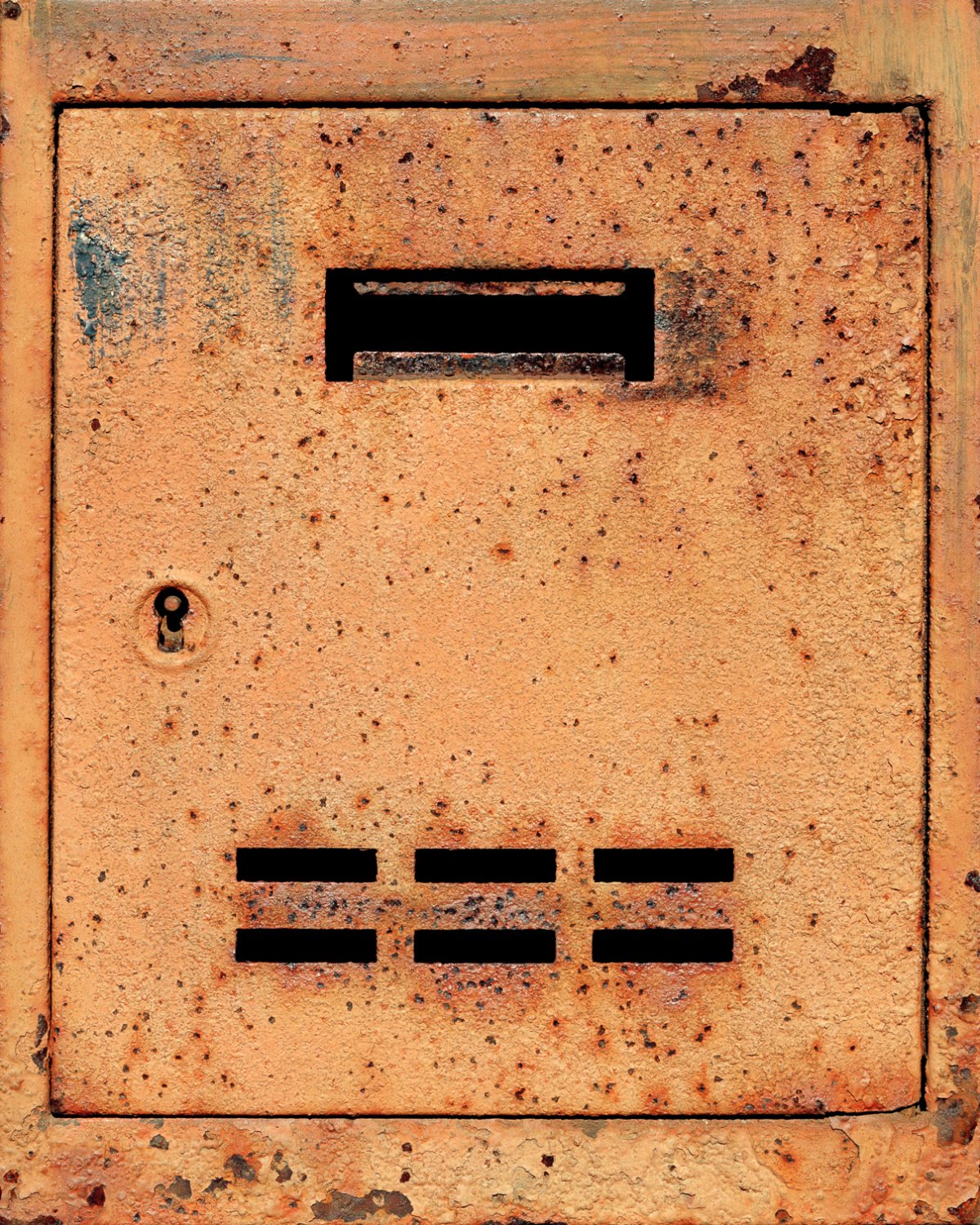
Segreto 14, 2024: a rusted letterbox
Segreto 14, 2024from the series Nel segreto di una casa / In the Secrecy of a HomePigment print on Canson Rag Photographique 100% cotton paper
37 × 29.5 cm · Edition of 5 at life size, plus 2 artist’s proofs in variable dimensions
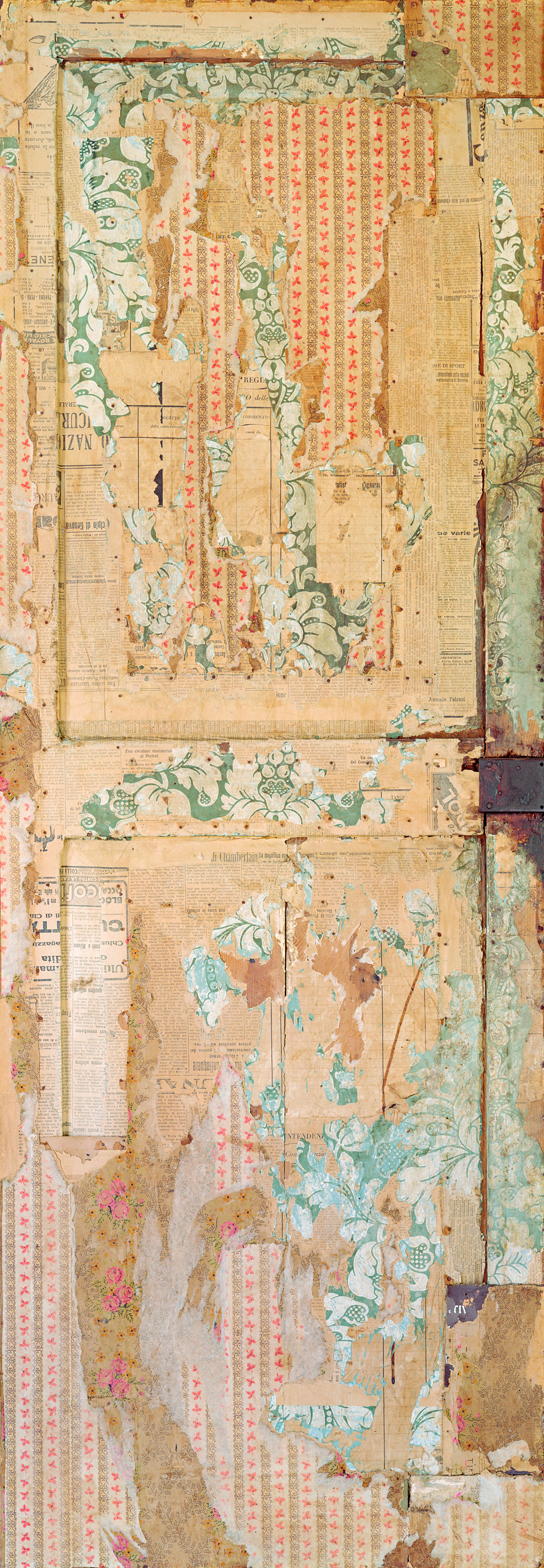
Segreto 10, 2024: layers of paper and traces of decoration on the inside of a pantry door
Segreto 10, 2024from the series Nel segreto di una casa / In the Secrecy of a HomePigment print on Canson Rag Photographique 100% cotton paper
162 × 56 cm · Edition of 5 at life size, plus 2 artist’s proofs in variable dimensions

Back to Selected Commissions

Photograph detail

Nel segreto di una casa / In the Secrecy of a Home · 2024

In the silent quietness

Gigliola Foschi

English translation by Elizabeth Dashwood

Alessandro Vicario's Nel segreto di una casa (In the Secrecy of a Home) is an ideal continuation of two of his previous research projects: Frammenti domestici tra memoria e oblio (Domestic Fragments Between Memory and Oblivion) and Paesaggi d'assenza. Sulle tracce di Lalla Romano (Landscapes of Absence. In the Footsteps of Lalla Romano), the former dedicated to his paternal grandmother's house, now abandoned, the latter to the great writer's apartment. The latter is dedicated to the rooms still untouched after her death and that Vicario was able to visit on several occasions thanks to his friendship with Antonio Ria, Lalla's solicitous companion.

Every house, argues Mario Praz, «is a ‘museum of the soul’, an ‘archive of experiences’», and not just a place to live. But how to photograph a house full of layered memories? How to bring to light the history contained in the things, in the objects, in the traces left in a house that has now been abandoned? Vicario asked himself this question once again in front of an old villa where two sisters had lived for many years. The two owners were no longer there, the rooms (unlike those of Lalla Romano) were now deserted and bare. Out of respect for the lives of those who had lived there, Vicario's gaze does not linger on the house as a whole, he does not aim to describe it, he even hides it in a way, as if he felt the need for discretion. At the same time, he never breaks the rules of photography, he does not use it 'in reverse', as Tristan Tzara wrote of Man Ray's photograms. On the contrary, Vicario fully exploits the language of photography, using it precisely as a trace of reality: he uses this language as an imprint of reality, respectful and uncontaminated by interpretative projections, so much so that he reproduces the elements he photographs exactly in their same proportions and real dimensions. By placing himself frontally and closely in relation to the things suggesting the life of these sisters and their villa, he makes a gesture of adherence and visual grasp: a gesture that transforms the remaining objects into presences of what was there at that given moment, in that given light. Free from manipulation and any romantic subjective interpretation, his images, with their simple, clear composition, like impartial and neutral samples of reality, make things visible as they are, revealing his desire to save them from oblivion and indifference through a visual gesture of proximity and attention.

In the preface to Lalla Romano's book Nei mari estremi, the essayist Jacqueline Risset quotes: "The essential movement of Lalla Romano's gaze can be described as follows: it approaches, it increases the mystery". Well, Vicario's "approach" is the same: he captures the objects of the house in a frontal, intimate and yet objective way, he creates a sense of mystery. Being isolated from their context, the elements which he photographs are removed from the continuum of reality into a suspended, anachronistic time.

Moved by the desire to grasp the traces of the experiences left in the villa, our author collects visual fragments like a tenacious collector, intent on listening to the slightest murmurs of things with meditative concentration: he observes the inside of a wardrobe door covered with worn, coloured papers, the light filtering through the old knurled glass panes of the doors, the cast-iron hob of an old-fashioned stove, the shadows of tree leaves reflected on a shutter and on a wall, the traces left by paintings on the walls, traces turning his photographs also into imprints of dust and time.

The artist’s closeness imitates an objective distance, but at the same time takes on a "superior pity" (to use Lalla Romano's words). In fact, his gaze does not play with the aesthetics of decay associated with the abandonment of the house, but aims at the recovery of memory, thanks to a closeness that almost evokes a tactile sensation, a contact. Here the past reappears in a whisper, as a series of fragments of traces that the viewer is invited to reassemble like pieces of a jigsaw puzzle. With their concise accuracy, the author's images, rather than 'closing' with a banal description, paradoxically invite us to imagine more, to transform these signs into universal memories. Everything appears clear and obvious before our eyes, but at the same time these visual fragments become imprints of intimacy hinting at stories of a real life, whose humanity we recover.

It is possible to imagine the life of the sisters who lived in the villa as if the trees in the garden had protected them from the passing of time, intent on preserving everything without changing anything in their lives, in the things that surrounded them. Vicario does not choose the most suggestive details, but those that reveal the intimate atmosphere of the house, the inner experiences, the silent lives. He uses photography as an imprint, as a contact, that transforms his images into survivals: into things that come from the past but then reappear before us to suggest their story by a mysterious and elusive touch. They belong neither entirely to life nor entirely to death, neither entirely to the past nor entirely to the present: they 'live' in a paradoxical time, latent and suspended, which stimulates our memory. Surrounded by silence, isolated from their context, the things in this house, transformed into fragmented images, seem to give us a glimpse of the life and protective atmosphere of a house surrounded by the garden like an enclosing barrier of green and light.

Nel segreto di una casa / In the Secrecy of a Home · 2024

Nella quiete silenziosa

Gigliola Foschi

Alessandro Vicario, con Nel segreto di una casa, prosegue idealmente due sue precedenti ricerche: Frammenti domestici tra memoria e oblio e Paesaggi d'assenza. Sulle tracce di Lalla Romano, la prima dedicata alla casa ormai abbandonata della nonna paterna, la seconda all’appartamento della grande scrittrice. Sono stanze, queste ultime, che erano rimaste intatte dopo la sua scomparsa, e che Vicario aveva potuto ripetutamente visitare grazie alla sua amicizia con Antonio Ria, il premuroso compagno di Lalla.

Ogni casa – sosteneva Mario Praz – è un “museo dell’anima”, un “archivio di esperienze”, e non semplicemente uno spazio dell’abitare. Ma come fotografare una casa carica di memorie stratificate? Come portare alla luce la storia racchiusa nelle cose, negli oggetti, nelle tracce rimaste in un’abitazione ormai deserta? Vicario se lo è chiesto una volta ancora, di fronte a una vecchia villa in cui per tanti anni erano vissute due sorelle. Loro due non c’erano più, le stanze (a differenza di quelle di Lalla Romano) erano ormai dismesse, in gran parte disadorne. Per rispetto verso la storia di chi l’aveva abitata e vissuta, lo sguardo di Vicario non si sofferma sull’insieme della casa, non mira a descriverla, anzi per certi versi la cela, come se lui avvertisse un bisogno di discrezione. Al contempo non rompe mai le regole della fotografia, non la usa “al contrario”, come ha scritto Tristan Tzara a proposito dei fotogrammi di Man Ray. Tutto all’opposto, Vicario sfrutta fino in fondo il linguaggio della fotografia, assumendolo proprio come una traccia del reale: usa infatti tale linguaggio come un’impronta della realtà, rispettosa e non contaminata da proiezioni interpretative, tanto da riprodurre gli elementi che egli fotografa esattamente nelle loro stesse proporzioni e reali dimensioni. Ponendosi in modo frontale e ravvicinato in relazione alle cose che gli sembrano suggerire la vita di queste sorelle e della loro villa, compie un gesto di aderenza e prensione visiva: un gesto che trasforma gli oggetti rimasti in presenze di ciò che era lì in quel dato momento, con quella luce. Prive di manipolazioni e di ogni romantica interpretazione soggettiva, le sue immagini, con la loro composizione semplice e netta, simili a imparziali e neutrali prelievi di realtà, donano visibilità alle cose così come sono, rivelano il suo desiderio di salvarle dall’oblio e dall’indifferenza attraverso un gesto visivo di prossimità e attenzione.

Nella Premessa al libro Nei mari estremi di Lalla Romano, troviamo citata una frase della saggista Jacqueline Risset: “Il movimento essenziale dello sguardo di Lalla Romano si può descrivere così: l’avvicinarsi, accresce il mistero.” Ebbene, allo stesso modo, questo “avvicinarsi” di Vicario, nell’accogliere gli oggetti della casa in modo frontale, intimo e al contempo oggettivo, suscita un senso di mistero. Isolati dal contesto in cui si trovano, gli elementi che egli fotografa vengono, per così dire, trasportati fuori dal continuum della realtà, in un tempo sospeso, anacronistico.

Mosso dal desiderio di cogliere le tracce del vissuto depositate nella villa, il nostro autore raccoglie frammenti visivi come un tenace collezionista proteso ad ascoltare anche i minimi brusii delle cose con concentrazione meditativa: osserva l’interno dell’anta di un armadio ricoperta di carte colorate ormai consunte, la luce che attraversa i vecchi vetri zigrinati che dividevano le stanze, il piano cottura in ghisa di un’antiquata cucina economica, l’ombra delle foglie degli alberi che si riflettono su una tapparella e su un muro, le tracce lasciate dai quadri sulle pareti, tracce che trasformano le sue fotografie anche in impronte di polvere, di tempo.

Una prossimità, quella di Vicario, che mima un distacco oggettivo, ma al contempo si fa carico di “una superiore pietà” (per usare le parole di Lalla Romano). Il suo sguardo non gioca infatti con l’estetismo del degrado legato all’abbandono della casa, ma punta al recupero della memoria grazie a un avvicinamento che rimanda quasi a una sensazione tattile, a un contatto. Qui il passato si ripresenta sottovoce, come un insieme di frammenti-traccia che lo spettatore è invitato a ricomporre quali tasselli di un puzzle. Nella loro concisa precisione priva di sbavature, le immagini dell’autore, anziché “chiudersi” in una banale descrizione, ci invitano paradossalmente a immaginare di più, a trasformare questi segni in memorie universali. Tutto appare limpido ed evidente davanti ai nostri occhi, ma al contempo tali frammenti visivi divengono impronte d’intimità simili a cenni che rimandano a storie di vita vissuta di cui riavvertiamo il sentore, l’umanità.

Viene così da immaginare la vita di queste sorelle che abitavano la villa come se gli alberi del giardino le avessero protette dal tempo che scorreva, protese a conservare tutto senza cambiare nulla nella loro vita, nelle cose che le circondavano. Vicario, infatti, non sceglie i dettagli più suggestivi, ma quelli capaci di portare alla luce l’atmosfera intima della casa, le esperienze interiori, i taciti vissuti. Proprio il fatto che egli usa la fotografia come un’impronta, un contatto, trasforma le sue immagini in sopravvivenze: in cose che vengono dal passato ma poi si ripresentano, di fronte a noi, per suggerirci la loro storia con un tocco misterioso e sfuggente. Esse non appartengono pienamente alla vita né pienamente alla morte, né totalmente al passato né al presente: esse “vivono” in un tempo paradossale, latente e sospeso, che mette in moto la nostra memoria. Circondate dal silenzio, isolate dal contesto, le cose di questa casa, trasformate in immagini-frammento, è come se ci facessero intuire la vita e l’atmosfera protettiva di una casa in cui l’esterno del giardino l’avvolge come una barriera di verde e di luce.
Nel segreto di una casa / In the Secrecy of a Home · 2024

In the Secrecy of a Home

Alessandro Vicario

English translation by Elizabeth Dashwood

A collector asked me to photograph a house that belonged to close relatives of hers: a two-storey villa surrounded by a beautiful hedged garden between Varese and Laveno.

As she was acquainted with my previous works on domestic interiors (in particular Frammenti domestici tra memoria e oblio / Domestic Fragments Between Memory and Oblivion, 1999-2001, but also Paesaggi d'assenza. Sulle tracce di Lalla Romano / Landscapes of Absence. In the Footsteps of Lalla Romano, 2004), she entrusted me with the task of interpreting these spaces full of family memories.

Frammenti domestici tra memoria e oblio is inspired by a deep, intimate, emotional urgency. Paesaggi d'assenza, sulle tracce di Lalla Romano is about the home of a writer whose works I read and loved, and where my friend Antonio Ria, her last companion, lived.

Unlike the homes that had been the subject of previous works, this one was unknown to me, as were the people who had inhabited it.

At first, I spent a day there with my client, who shared her memories with me. Then I returned to carry out the work, which took several days. It was summertime: the days were clear and serene, the air warm and mild. The house had been almost completely emptied, as it happened with my paternal grandmother's apartment in Milan, the essential nucleus of the Frammenti domestici.

At the beginning I felt bewildered, but after a while I began to get in tune with the surroundings. The traces of these distant lives became almost familiar. I understood their universal dimension.

I was inspired by the silence and the uncertain stillness of those bare rooms.

In the Secrecy of a Home is the development of my earlier visual research into domestic places. It forms with them a kind of trilogy and perhaps it closes a cycle.

Once again, peculiar traces and memories, made visible (or more manifest) by the emptiness of the environment and transfigured by the photographic representation, ask to be received as signs of universal memories.

Nel segreto di una casa / In the Secrecy of a Home · 2024

Nel segreto di una casa

Alessandro Vicario

Una collezionista mi propose di fotografare una casa appartenuta a certi suoi parenti: una villa a due piani circondata da un bel giardino cinto di siepi tra Varese e Laveno.

Avendo dimestichezza con i miei precedenti lavori sugli interni domestici (in particolare Frammenti domestici tra memoria e oblio, ma anche Paesaggi d’assenza, sulle tracce di Lalla Romano), mi affidò l’incarico di interpretare quegli spazi carichi di memorie famigliari.

Frammenti domestici tra memoria e oblio è ispirato da una profonda e intima urgenza affettiva. Paesaggi d’assenza ha come soggetto l’appartamento milanese della scrittrice Lalla Romano (della quale conoscevo e amavo le opere) che frequentavo perché ci abitava l’amico Antonio Ria, suo ultimo compagno di vita.

A differenza delle abitazioni oggetto dei precedenti lavori, questa mi era sconosciuta; e le persone che l’avevano abitata estranee.

Dapprincipio vi trascorsi una giornata assieme alla committente, la quale condivise con me ricordi e memorie. Poi vi tornai per eseguire il lavoro, che durò diversi giorni. Era d’estate: giornate limpide e serene. Tiepide, miti. L’abitazione era stata quasi completamente sgomberata, come era accaduto con l’appartamento milanese della mia nonna paterna, nucleo fondamentale dei Frammenti domestici.

Dopo una prima fase di disorientamento, piano piano entrai in sintonia con l’ambiente. Le tracce di quelle vite lontane diventavano, in qualche modo, quasi famigliari. Ne coglievo la dimensione universale.

Nella quiete silenziosa e come sospesa di quelle stanze spoglie trovai l’ispirazione.

Nel segreto di una casa è lo sviluppo delle mie precedenti ricerche visive sui luoghi domestici. Forma, con esse, una sorta di trilogia e chiude, forse, un ciclo.

Ancora una volta, tracce e memorie particolari, rese visibili (o più manifeste) dal vuoto dell’ambiente e trasfigurate dalla rappresentazione fotografica, chiedono di essere accolte come segni di memorie universali.

Search